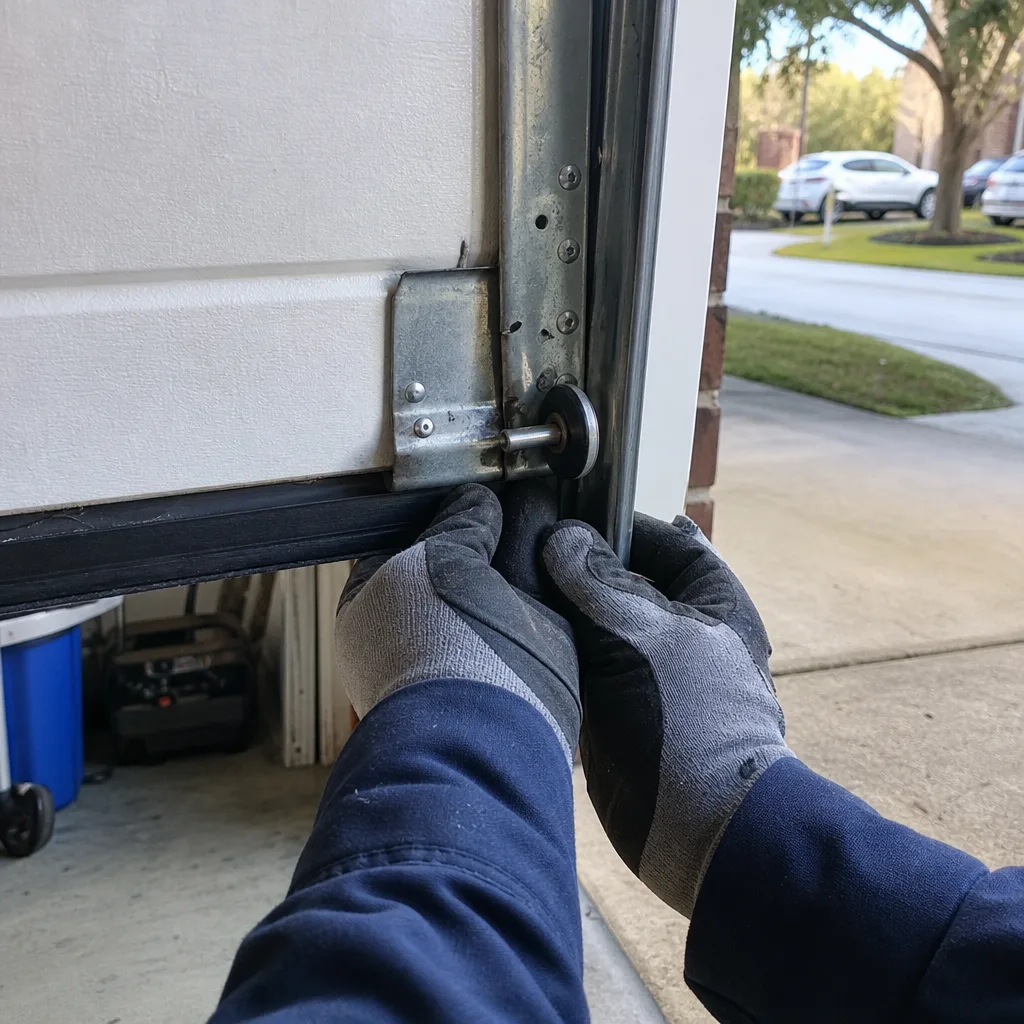
Last updated November 21, 2026
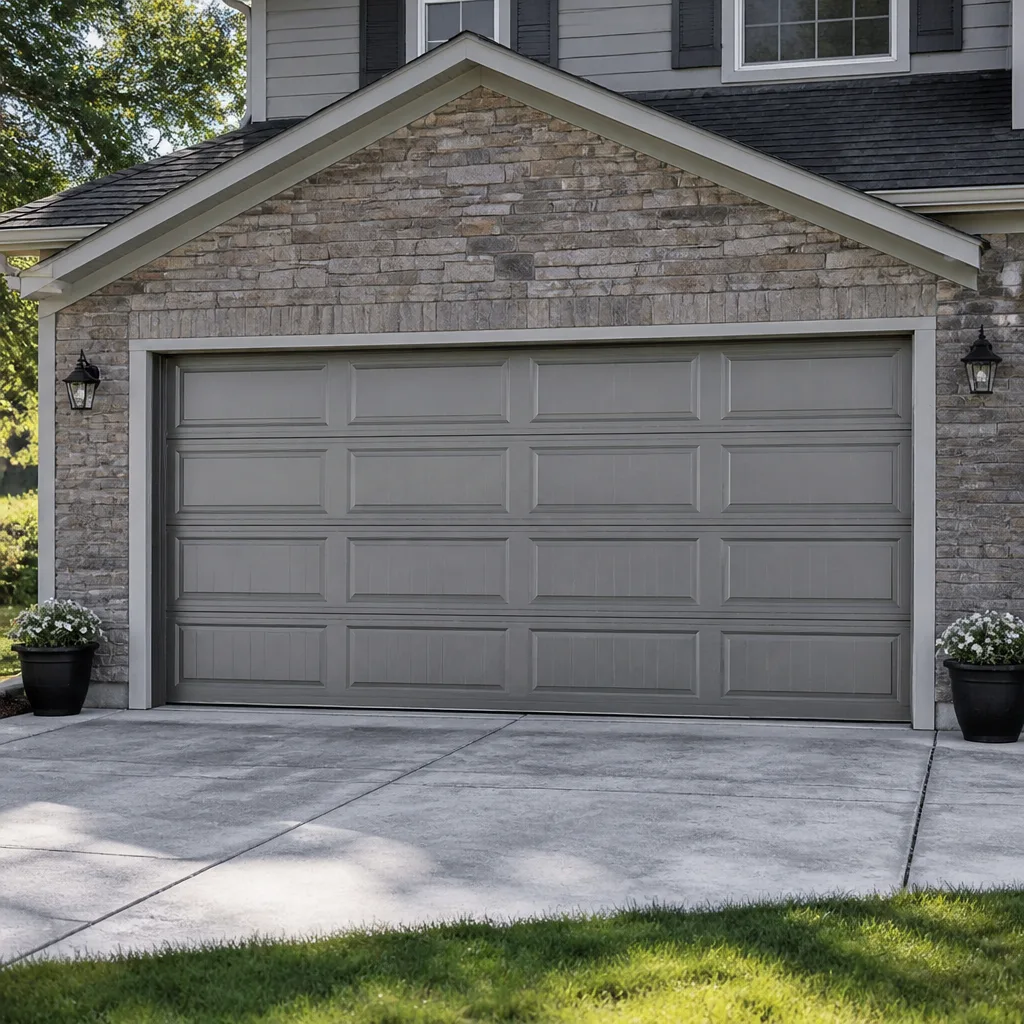 Raised-panel steel
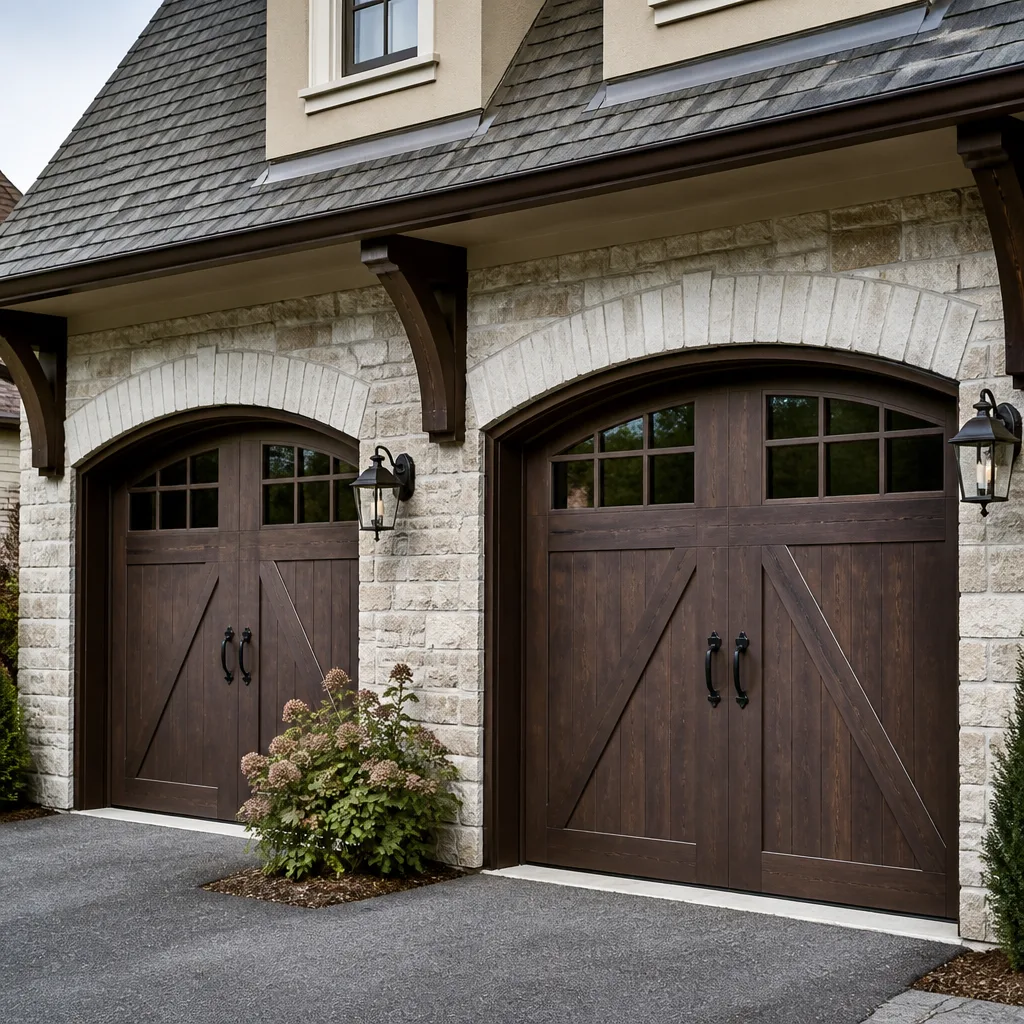 Carriage house
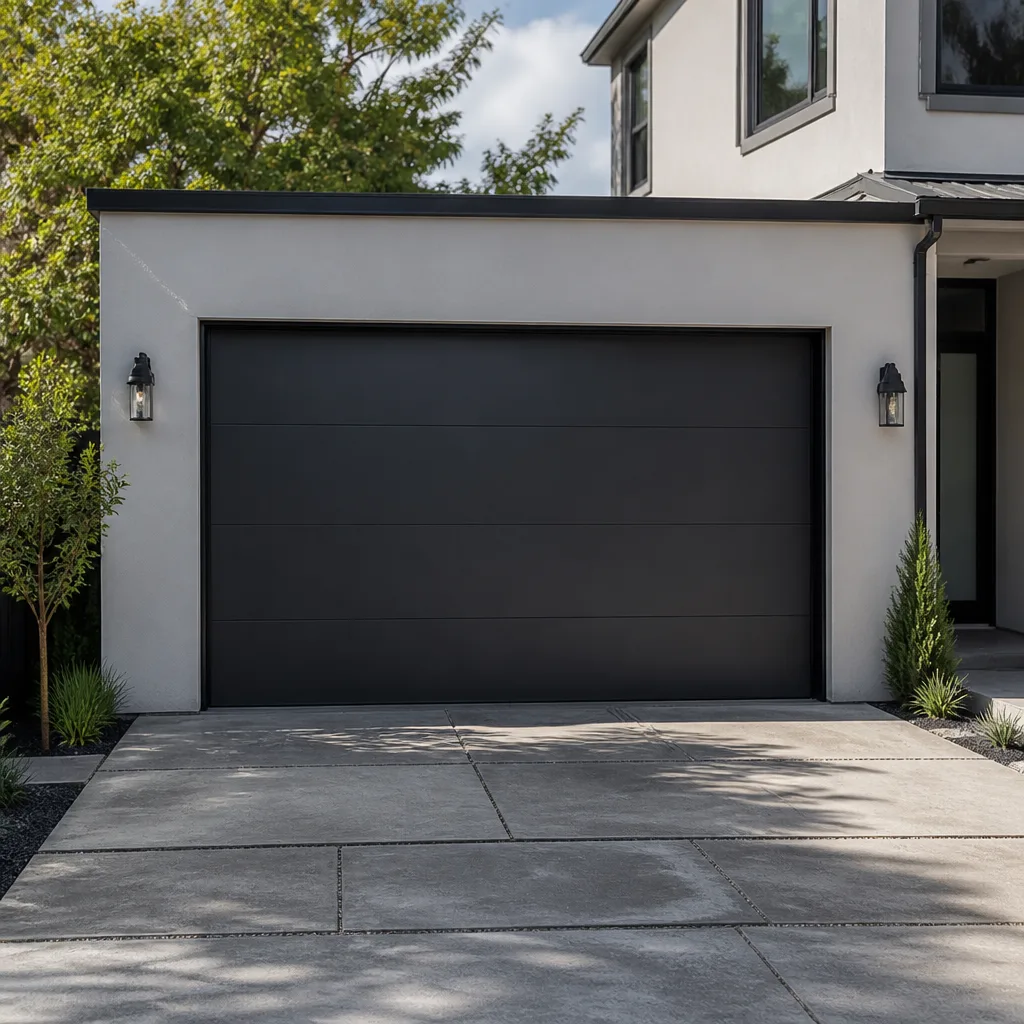 Modern flush
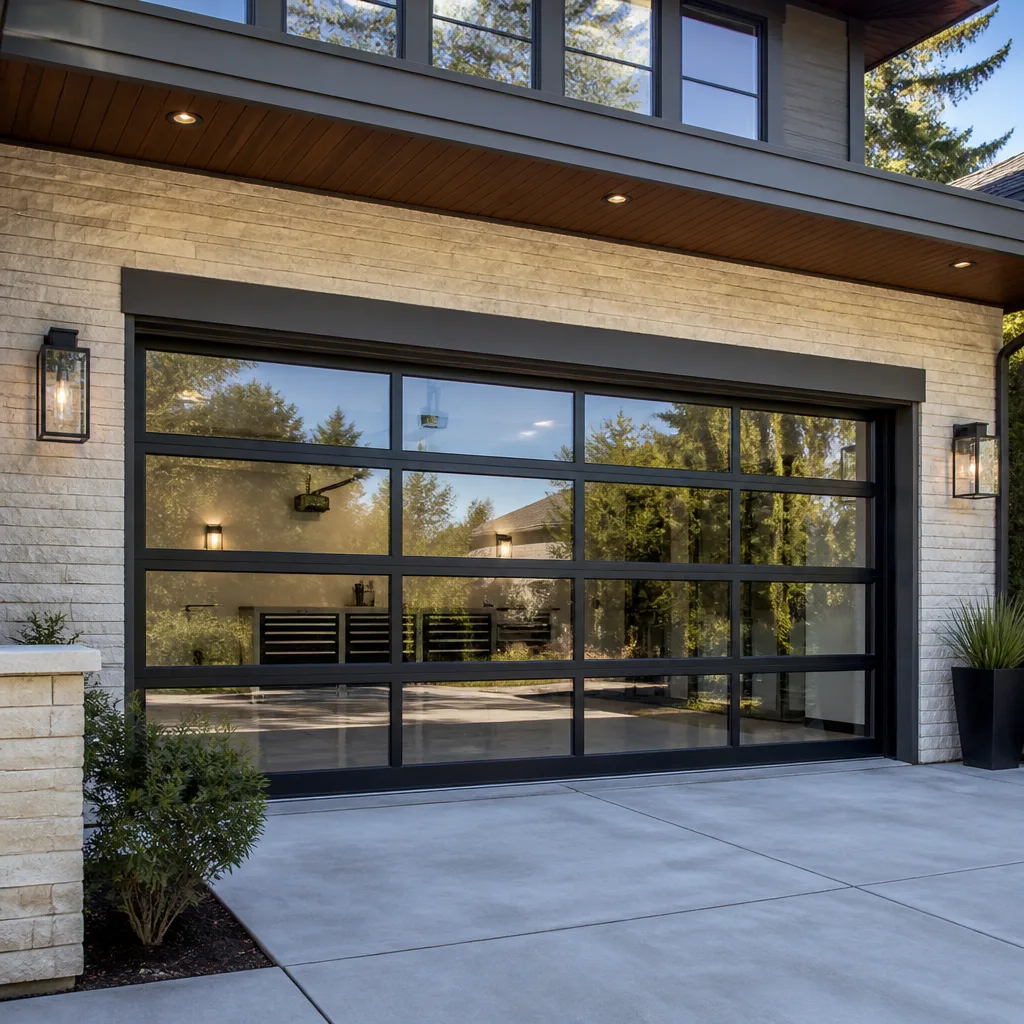 Full-view glass
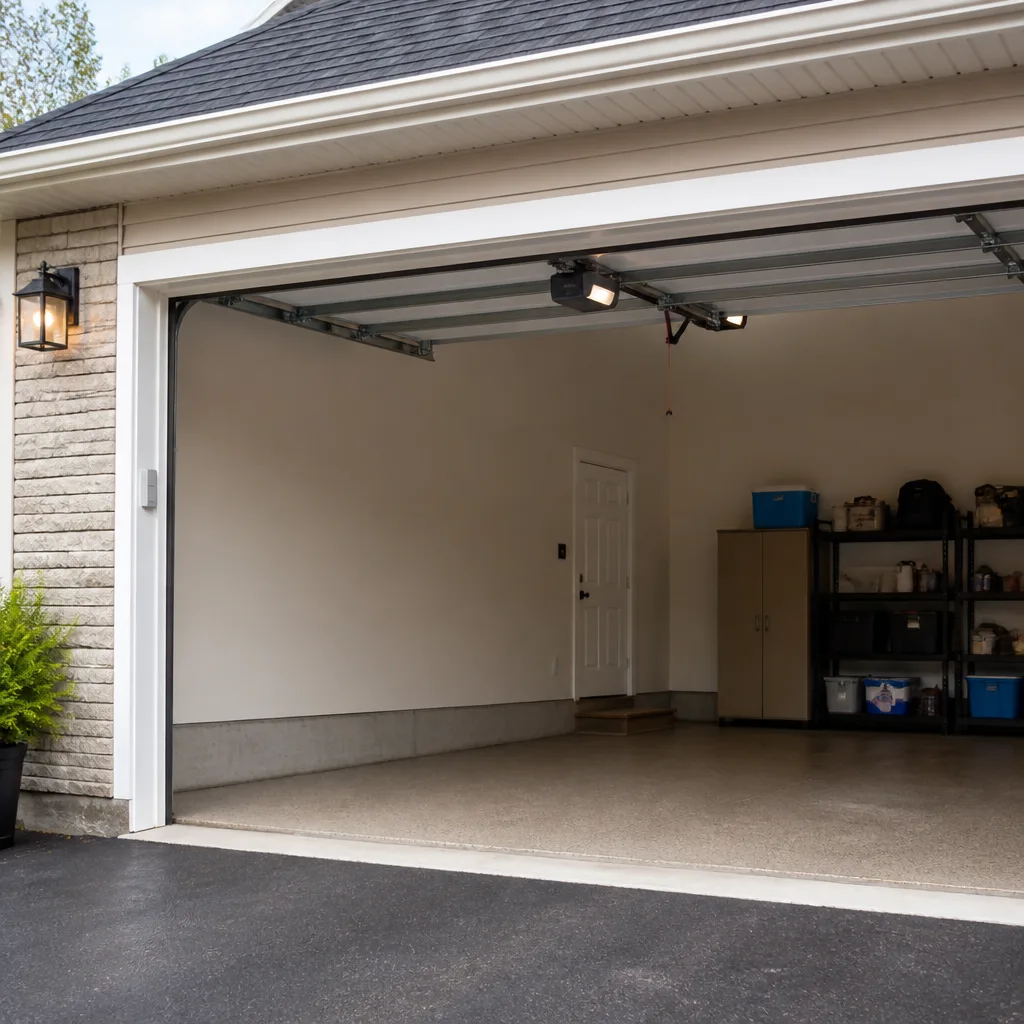 LiftMaster openers
 Chamberlain openers
Full 25-point door and opener safety check with every visit - springs, cables, rollers, tracks, and your LiftMaster or Chamberlain opener included
You get a price before we start. It does not change when the pro arrives.
Get your free estimateGarage Door Repair Maintenance Checklist for Kingwood Homeowners
Most garage door maintenance checklists were written to sell lubricant. They tell you to spray something on the hinges, listen for squeaks, and call it a season. That advice is fine in a dry climate. In Kingwood, it misses the whole point, because the doors that fail here usually follow the same sequence: the weatherseal gives out, water gets in behind it, the bottom panel starts to rust, and eventually the cable frays where moisture has been working on it for months. A checklist that doesn’t follow that order is just busywork. Below is the sequence we actually use, organized by which failure is most likely to hit your door first.
Quick Answer
A monthly walk-around (visual seal check, balance test, listen for grinding) plus quarterly lubrication with a silicone-based spray and an annual technician inspection keeps most Kingwood doors out of emergency territory. The tasks that matter most are the weatherseal check, the bottom-panel and cable inspection, and a safe visual spring assessment, because those are the three failure points that account for the majority of breakdowns in this humidity.
Styles & brands we work with
- Raised-panel steel
- Carriage house
- Modern flush
- Full-view glass
- LiftMaster openers
- Chamberlain openers
Table of Contents
- Why the Failure Sequence Matters in Kingwood
- The Monthly Walk-Around: What to Check in Five Minutes
- Lubrication Products That Survive Kingwood Heat and Humidity
- Reading Spring Health Without Touching Anything
- Weatherseal Inspection: Where Gaps Form First
- Quarterly vs. Annual: Splitting the Task List
- Opener Checks: Belt, Chain, and Battery Backup
- Common Mistakes to Avoid
- When to Call a Professional
- Frequently Asked Questions
Why the Failure Sequence Matters in Kingwood
Most garage doors in Kingwood fail in a predictable order, and the order matters more than any single task. If you check your springs before you’ve looked at your weatherseal, you’re checking the third link in a chain while the first two are quietly breaking. Walk through any older Kingwood neighborhood in late summer and you’ll see the evidence: dark staining on bottom panels, gaps under the door at one end, and a spring that looks intact right up until it snaps.
Here’s the sequence we see most often:
- Seal deterioration. The rubber or vinyl weatherseal at the bottom, sides, and top of the door shrinks and cracks in the summer heat, then pulls away from the frame during the first cool nights of fall.
- Water intrusion. Once the seal opens up, rain driven sideways during a Gulf storm gets behind the bottom panel. Kingwood gets serious afternoon downpours through the warm months, and a door facing the weather absorbs them directly.
- Bottom panel rust. The moisture sits against the steel bottom section, and the paint starts to bubble. You’ll notice it at the lowest corner of the panel first, the one closest to the ground.
- Cable fraying. Once the bottom of the door is compromised, the lifting cables take uneven load. Add a humid climate working on steel strands and you get fraying at the drum end, which is exactly where a snapped cable starts.
- Spring fatigue. Springs are cycling every time the door opens, and they’re working against a door that’s now slightly heavier and less balanced than it was designed for. Springs fail last in the sequence, but they fail loudest.
The point is that the tasks on this list should be worked in order of failure probability, not alphabetically. Seals first. Panels and cables second. Springs as a monitoring item, not a starting point. We’ve found that walking Kingwood doors in this sequence catches the cascade early, which is why our garage door repair visits so often start with a seal and bottom-panel inspection rather than with the spring.
The Monthly Walk-Around: What to Check in Five Minutes
You don’t need tools to spot most problems early. A five-minute inspection once a month will catch nearly everything that’s about to fail, provided you’re looking in the right spots. Do this at a time when the door is closed and the opener is unplugged or locked out, and don’t force anything you find.
- Run your hand along the bottom seal. You’re checking for soft spots, tears, or a seal that’s pulled out of its retainer. If your fingers come away with rust-colored grit, the bottom panel is already compromised.
- Look for daylight under the door. Shut the door and look for a sliver of light along the bottom or sides. Light means a gap, and a gap means water and air are getting in.
- Scan the bottom panel closely. Look at the lowest section, both inside and outside. Paint bubbling, orange staining at the seams, or white chalky residue all point to moisture.
- Check the cables at the drum. With the door closed, look at the steel cable where it winds onto the drum at each side. Look for fraying strands, kinks, or rust. Don’t put your hand on the cable or try to adjust it; this is a look-only check.
- Listen while the door runs. A grinding, scraping, or popping sound means something is out of adjustment or worn. A door that clunks when it starts and finishes its cycle is telling you the springs or hardware aren’t doing their job smoothly.
- Watch the door travel. A door that lurches, jerks, or drifts on one side is unbalanced and needs a professional look. Don’t try to correct the balance yourself.
- Test the safety reverse. Place a small piece of wood or a brick on the ground under the closing door. The door should reverse when it contacts the object. If it doesn’t, stop using the opener and call for service.
Write down what you find and the date. A log turns a vague “feels a little different” into a pattern you can show a technician, and it makes the annual inspection more useful.
Lubrication Products That Survive Kingwood Heat and Humidity
What you spray on your door matters as much as how often. Kingwood’s summers are long, humid, and hot, and the wrong lubricant becomes a dirt magnet that will gum up your rollers and hinges within a couple of months. The standard hardware-store can of general-purpose oil is the wrong choice here. It attracts dust, mixes with airborne grit, and turns into a sticky paste exactly where you don’t want it.
What works better in this climate:
- Silicone-based spray lubricant. It dries to a film rather than staying wet, so dust doesn’t cling. Use it on hinges, rollers, and the torsion spring coils (the spring only, never anything that’s under tension at a joint).
- White lithium grease for the opener rail, applied sparingly with a rag rather than sprayed, so it doesn’t drip or accumulate.
- Dry graphite or a silicone dry film where a non-tacky, long-lasting film is needed on exposed metal.
- Nothing on the tracks. A clean, dry track should stay that way. Lubricating tracks in a humid climate catches grit and makes things worse, not better.
Wipe each hinge pin and roller stem with a clean cloth before you lubricate, then apply a light film. Do it quarterly. The frequency matters in Kingwood specifically because the humidity degrades some lubricant films faster than they would in a dry market, and a small amount applied more often beats a heavy application that sits for a year. If you have a Wayne Dalton or Raynor door with a proprietary roller design, check the manufacturer’s recommendation, or ask us when we’re out for another service; we work on enough of both to know what their hardware likes.
Reading Spring Health Without Touching Anything
Springs are the most dangerous part of your garage door. They hold the full weight of the door under extreme tension, and a torsion spring under load can cause serious injury if you try to adjust or replace it yourself. Do not attempt spring work on your own. What you can do is read the early warning signs from a safe distance, using your eyes and ears only, and then call a professional when something looks off.
Here’s what to look for from a few feet away:
- A visible gap in the spring coil. Torsion springs are one continuous coil. A clean break usually leaves a visible gap, roughly the width of a fingernail or more. If you see a gap, the spring has failed or is failing. Stop using the door and call for spring service.
- A door that feels heavy when you lift it by hand. With the opener disengaged (pull the red release handle), a properly balanced door should lift with one hand and stay where you put it halfway up. A door that takes real effort or slams back down is a sign the springs are weak. If lifting the door by hand feels risky at all, don’t test it that way. Ask a technician instead.
- Loud popping or snapping from above the door, especially when the door is opening. A single sharp pop followed by a door that won’t lift is a spring that just broke. You may hear a metallic snap that sounds like a gunshot. That’s normal for a failed torsion spring, and it’s loud enough to startle the whole house.
- A gap of a quarter-inch or more between coils when the door is down. Stretch and tension cause coils to separate over time. Wide gaps mean the spring is fatigued and near the end of its working life, even if it hasn’t broken yet.
- A door that won’t stay at the halfway point. If you disengage the opener and lift the door halfway and it drifts down on its own, the spring is no longer carrying its share of the load.
If any of those checks give you a yellow flag, stop using the door. Springs under tension are not a DIY repair, and a door cycling with a weak spring is also putting extra strain on the opener motor and cables. A garage door repair visit is the right move, and on a repair call we can usually confirm spring condition, cable condition, and door balance in one visit.
Weatherseal Inspection: Where Gaps Form First
The weatherseal is the cheapest part on your garage door and the one that causes the most expensive damage if ignored. In Kingwood, the daily swing between warm afternoons and cooler nights, plus the humidity, works on the seal constantly. Rubber and vinyl shrink and harden in the heat, then pull away from the frame as the temperatures drop. By the time you notice a draft, the seal has probably been leaking for a while.
Here’s where gaps form first, in the order you should check them:
- Bottom seal corners. The two lowest corners of the door take the most water and wear. Look for the seal pulling away from its retainer or flattening out.
- Bottom seal center. If the door is slightly unbalanced, the center of the bottom seal lifts when the door is down. Run a hand along it and check for daylight.
- Side jamb weatherstripping. The vinyl flap on each side of the frame hardens and curls inward in the heat. Look for a flap that’s no longer making contact with the door face.
- Top seal. The top seal gets less attention but takes the brunt of wind-driven rain during Gulf storms. Look for tears or a seal that sags.
- Threshold at the door center. The floor under the door is rarely perfectly flat. A gap at the center of the threshold is common in older Kingwood homes, and a thicker bottom seal or a threshold strip will fix it.
Replace any seal that’s cracked, hard, torn, or holding its shape poorly. Seals are inexpensive and easy to swap, and they’re the cheapest insurance you have against the bottom-panel rust and cable fraying that follow water intrusion. If you’re not sure of the seal size, bring a small sample to us or ask for help matching it.
Quarterly vs. Annual: Splitting the Task List
Not every task on this list belongs in the same bucket. Some are simple enough that most homeowners can do them with a can of silicone spray and a flashlight. Others need a technician. Here’s how we’d split the list if we were writing a schedule for a Kingwood home:
Quarterly tasks (homeowner-friendly):
- Wipe and lubricate hinges, rollers, and torsion spring coils with a silicone-based spray.
- Run the safety reverse test with a brick or block of wood.
- Inspect the bottom seal and side weatherstripping for cracks, gaps, and pulls.
- Clear debris from the tracks with a dry cloth (no lubricant).
- Test any opener battery backup, if your unit has one.
- Listen to the door run and note any new sounds.
Annual tasks (technician visit recommended):
- Full spring and cable inspection, including drum and bearing plate condition.
- Door balance check with the opener disengaged (technicians are trained to do this safely).
- Opener force and travel adjustment check.
- Roller and hinge wear evaluation, with replacement of worn hardware.
- Panel alignment and track straightness check.
- Bottom-panel rust inspection from the inside, where early corrosion shows first.
If your door is older, or you’ve just moved into a Kingwood home and don’t know its service history, start with the annual list and let a technician set the baseline. From there, the quarterly tasks will tell you when something’s drifting. Our garage door repair calls often trace a “sudden” failure back to a spring or cable that was visible on an inspection six months earlier.
Opener Checks: Belt, Chain, and Battery Backup
Your opener is doing more work than it should if the door is out of balance or the springs are weak. That’s why the listening and watching steps on the monthly walk-around matter. A strained opener is a symptom, not always the problem.
A few opener-specific checks you can do without tools:
- Battery backup. Many units are sold with a battery backup, and the battery is only useful if it’s charged. Test it by unplugging the opener and opening the door. If the door won’t move, the battery is dead or missing.
- Safety sensors. The two small sensors on either side of the door track at floor level should have a steady light on each. A flickering or off light means an alignment issue or a dirty lens. Wipe the lenses and check the alignment before assuming the opener is failing.
- Belt or chain tension. A belt drive that flops or a chain that hangs loose is worn. Both work best snug. Don’t over-tighten them; that’s a job for a technician.
- Wi-Fi connection. If you have a smart opener (LiftMaster’s MyQ and Chamberlain’s units are the most common in Kingwood), check the app periodically. A disconnect often shows up before the opener itself starts acting up.
- Remote and keypad batteries. A remote that works only when you’re close by usually needs a fresh battery, not a new opener. Check that before you call.
If your opener is grinding, humming without moving the door, or repeatedly reversing, that’s a job for garage door opener repair. We work on LiftMaster, Chamberlain, Genie, and Craftsman openers, including older units and modern Wi-Fi-connected ones. If you’re thinking about replacing the opener instead of repairing it, our garage door installation service covers opener replacement alongside new door installation, so you don’t need a second company to finish the job.
Common Mistakes to Avoid
- Lubricating the tracks. It feels productive, but it catches dust in this humidity and turns the tracks into a grit trap. Clean them dry; leave them dry.
- Using WD-40 or general-purpose oil as a lubricant. It’s a solvent, not a long-term lubricant, and it breaks down quickly in heat. Silicone spray or a dry film is the right choice.
- Adjusting springs yourself. Springs are under extreme tension. This is not a DIY repair, and a mistake can cause serious injury. Read the signs from a distance and call a professional.
- Ignoring a small seal gap. A quarter-inch gap doesn’t look serious, but it’s the first step in the rust-and-cable failure sequence. Replace the seal before the bottom panel corrodes.
- Testing door balance by hand without disengaging the opener. The opener will hide an unbalanced door, and you can’t safely test balance with the opener engaged. Disengage first, or let a technician do it.
- Replacing the opener when the door is the problem. If the door is heavy, jerky, or unbalanced, a new opener won’t fix it. Diagnose the door first.
- Skipping the annual check because the door “seems fine.” The early signs of spring fatigue and cable fraying are visible on an inspection well before they cause a failure. Without the inspection, you’re guessing.
When to Call a Professional
Call us when you see any of the following: a gap in the torsion spring coil, a pop or snap followed by a door that won’t lift, a frayed cable at the drum, a door that’s visibly unbalanced or drifts on one side, or an opener that hums or reverses repeatedly. Call if you’re unsure about a spring, if you’ve just moved and don’t know the door’s service history, or if a bottom panel is showing rust that’s more than surface-level.
Springs, cables, and opener force adjustments are all safety-sensitive. A trained technician can check all of them in one visit, and we can tell you honestly which items need attention now and which can wait. Kingwood Garage Door Repair offers free estimates in Kingwood – call (888) 853-9961. The written estimate sets the final price, and the price is agreed before any work begins.
Frequently Asked Questions
A thorough professional inspection once a year, with quarterly homeowner checks in between, is the right rhythm for a Kingwood home. The humidity and temperature swings here mean seals and bottom panels need more frequent attention than in a dry climate. A monthly five-minute walk-around catches most issues early.
No. Springs are under extreme tension and can cause serious injury if handled incorrectly. This is not a DIY repair, and we strongly recommend calling a trained technician. We treat spring repair as a core service for exactly this reason.
A silicone-based spray lubricant works best in this climate. It dries to a film instead of staying wet, so it doesn’t attract the dust and grit that turn general-purpose oil into a sticky paste during humid summers. Apply it quarterly to hinges, rollers, and spring coils, and never lubricate the tracks.
Moisture is getting past the weatherseal. The bottom panel is the first place rust shows because it sits closest to the ground and takes the most water. Check the seal for gaps and replace it before the rust spreads to the point where the panel has to be replaced.
A visible gap in the coil, wide gaps between coils, a door that feels heavy when lifted by hand, and a door that pops or snaps when opening are all warning signs. If you see any of them, stop using the door and call a professional for an inspection. Don’t try to test the spring under tension.
Maintenance, repair, and replacement are priced per job by written estimate. The right way to get a real number is to call and get a free estimate, especially if you’re bundling several items. Call (888) 853-9961 for a free estimate and the written quote will set the final price.
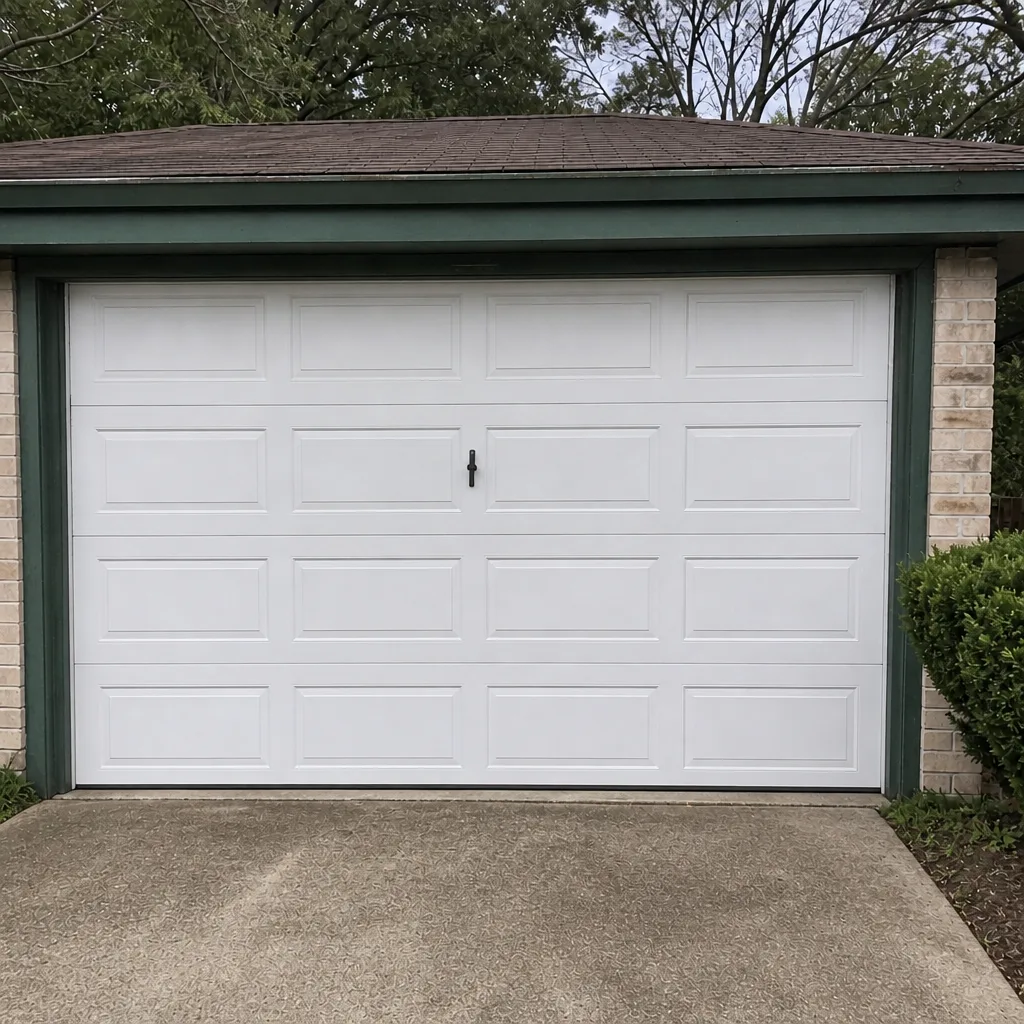
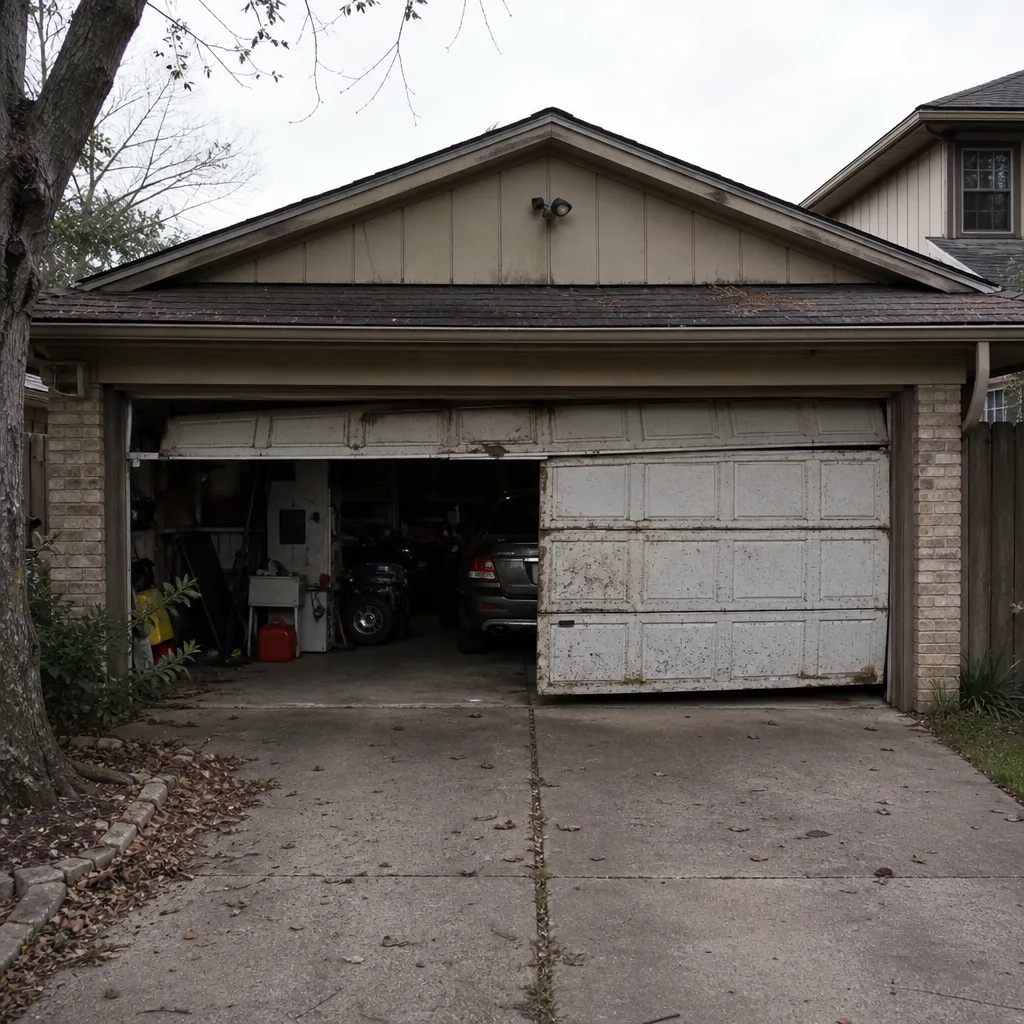
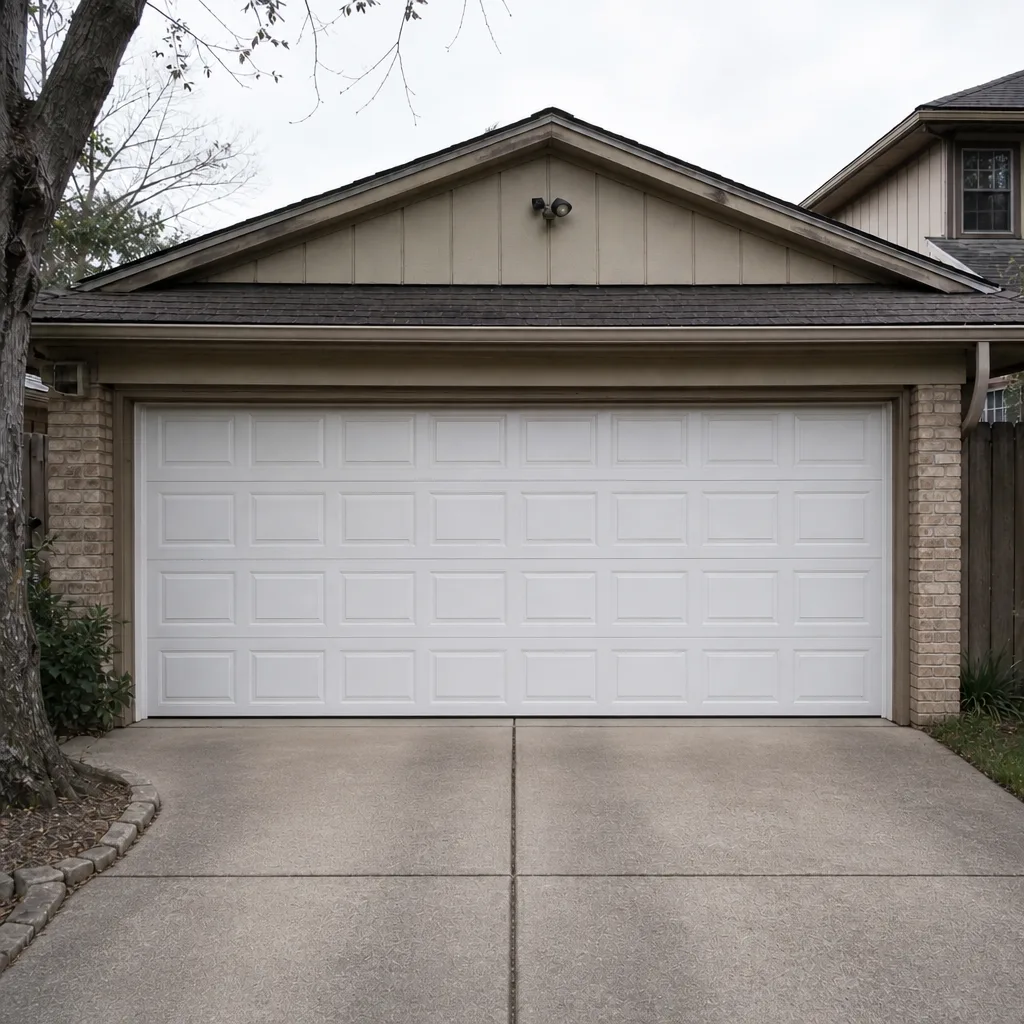
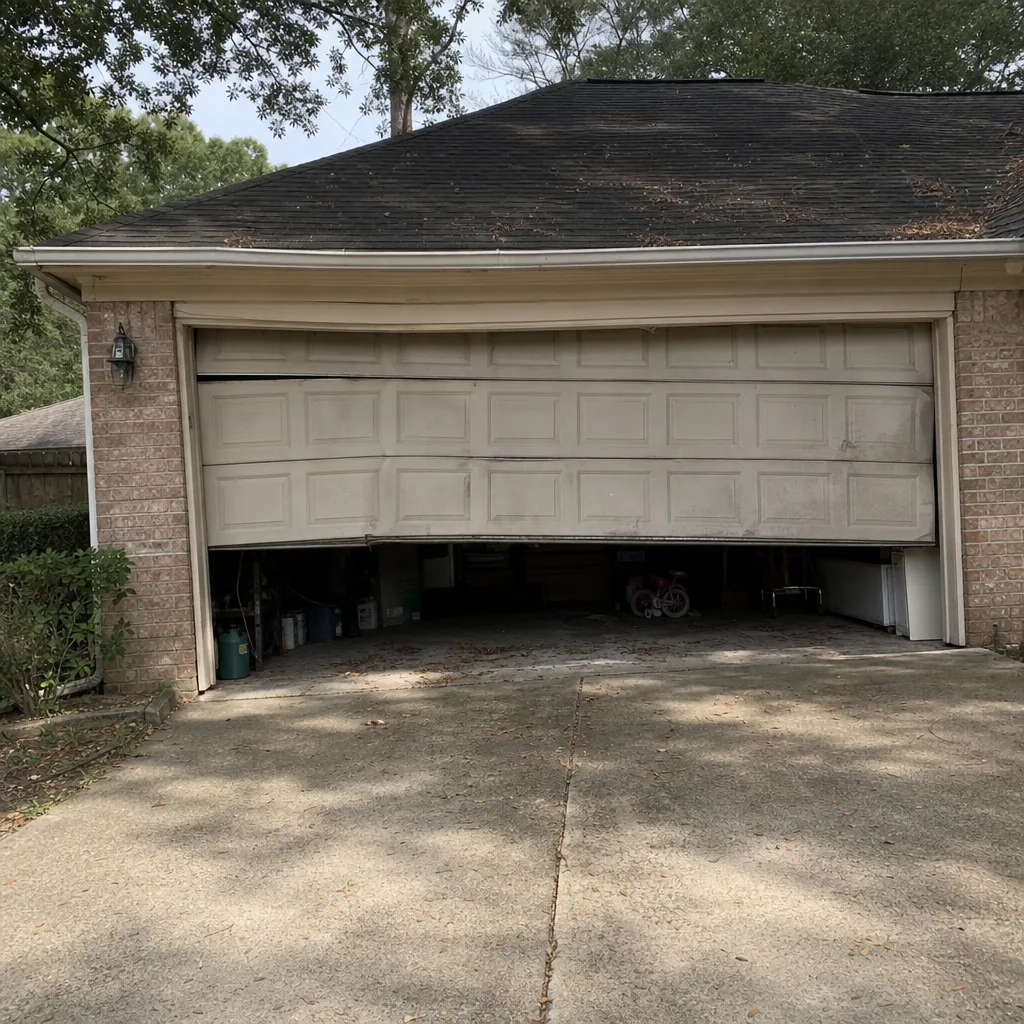
See the difference
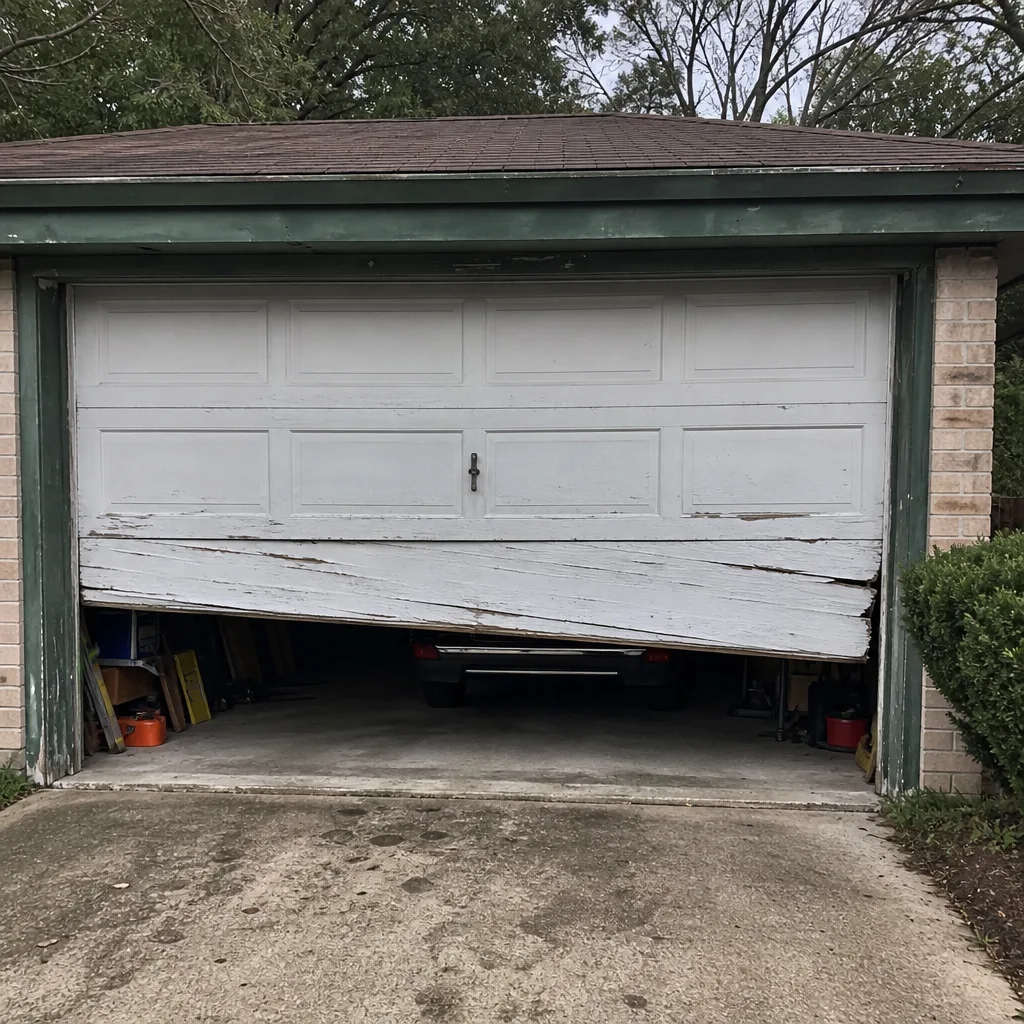 Before
 After
 Before
 After
 Before
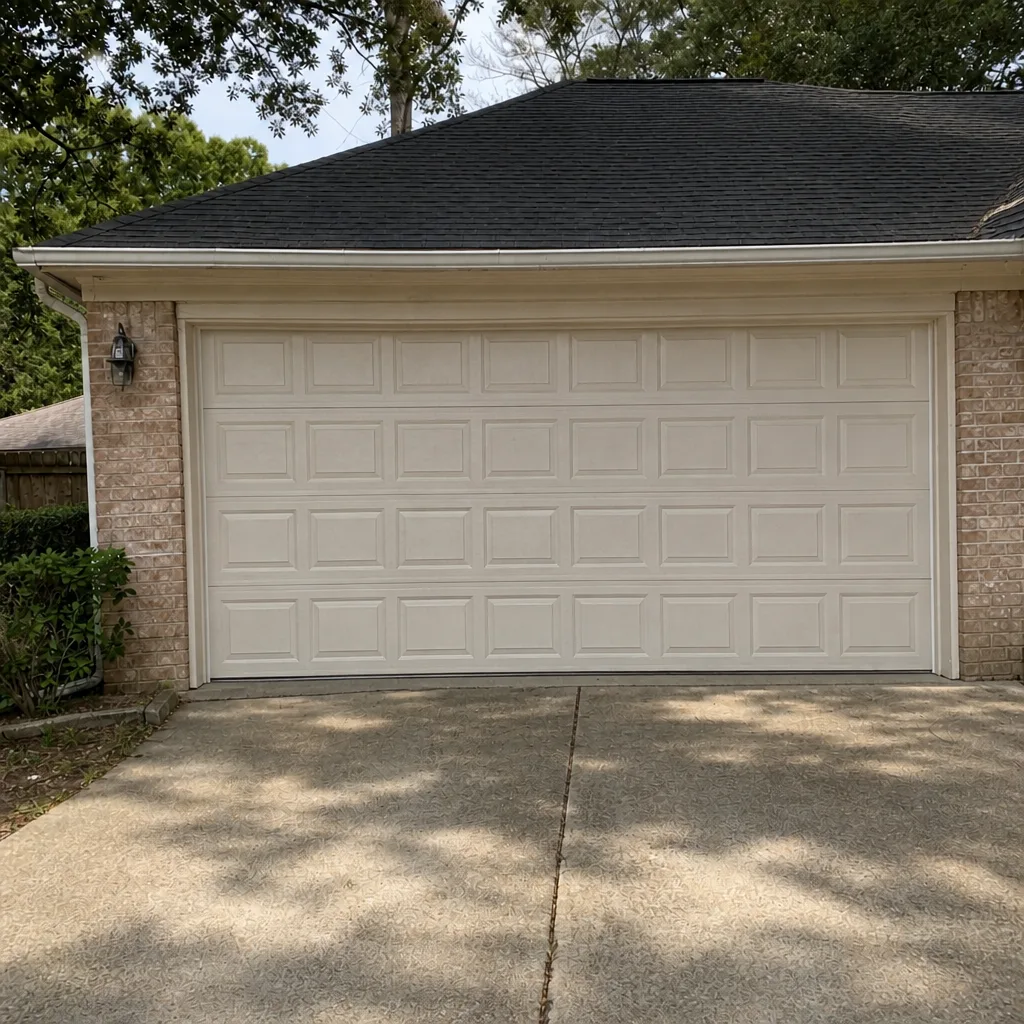 After
The Bottom Line
Most garage door emergencies we see in Kingwood follow the same sequence: the weatherseal fails, water gets in, the bottom panel rusts, the cable frays, and the spring finally gives out. A checklist that works that sequence, rather than a generic lubricate-and-test list, catches the cascade before it reaches the spring. Seal inspection, bottom-panel checks, a safe visual spring assessment, and quarterly silicone lubrication of hinges and rollers will keep most doors out of trouble. For springs, cables, and balance adjustments, call a technician. Kingwood Garage Door Repair offers free estimates and upfront pricing.
Contact
Call (888) 853-9961 for a free estimate. We service LiftMaster, Chamberlain, Genie, Clopay, Amarr, Wayne Dalton, Craftsman, and Raynor systems, and our technicians have up to 9 years of experience. Whether you need a maintenance visit, a repair, or a new door, we can help you sort the real priorities from the busywork. Call today.
Written by the team at Kingwood Garage Door Repair.