Last updated November 21, 2026
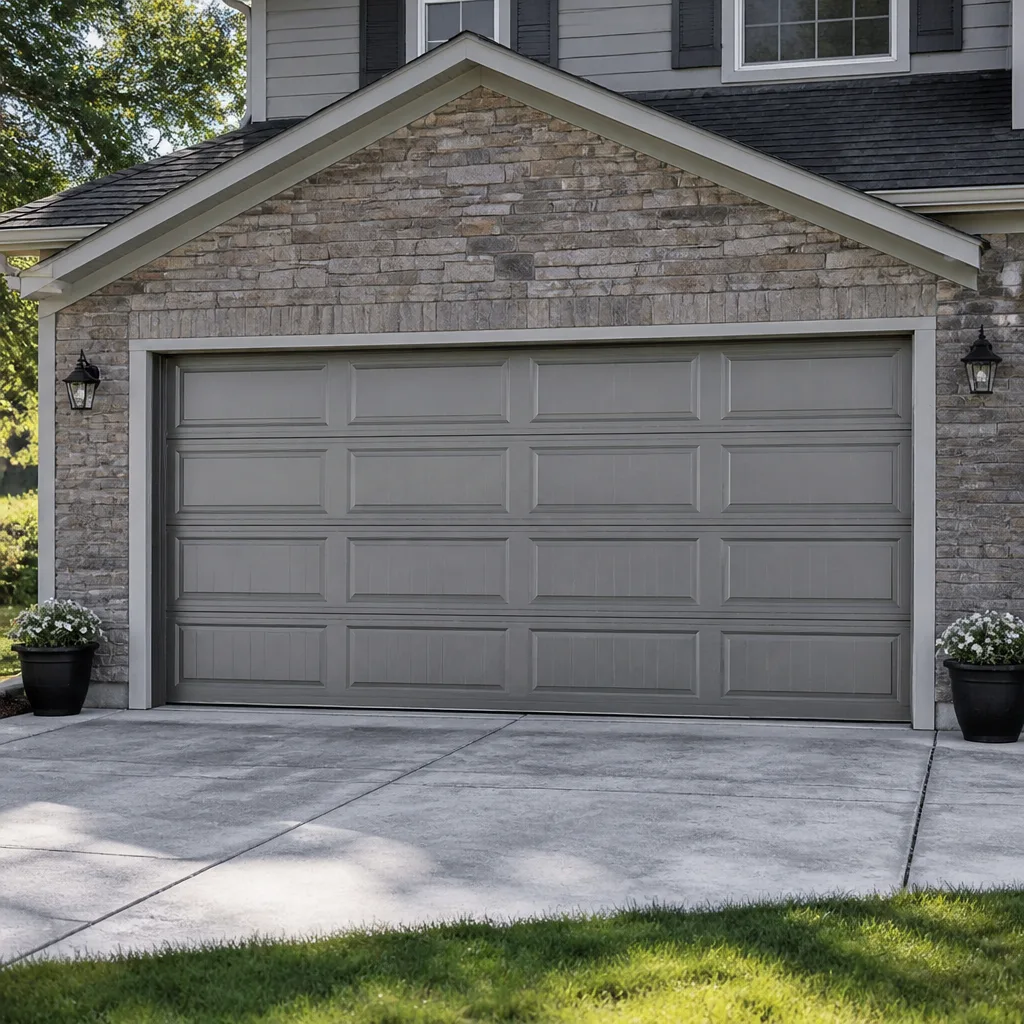 Raised-panel steel
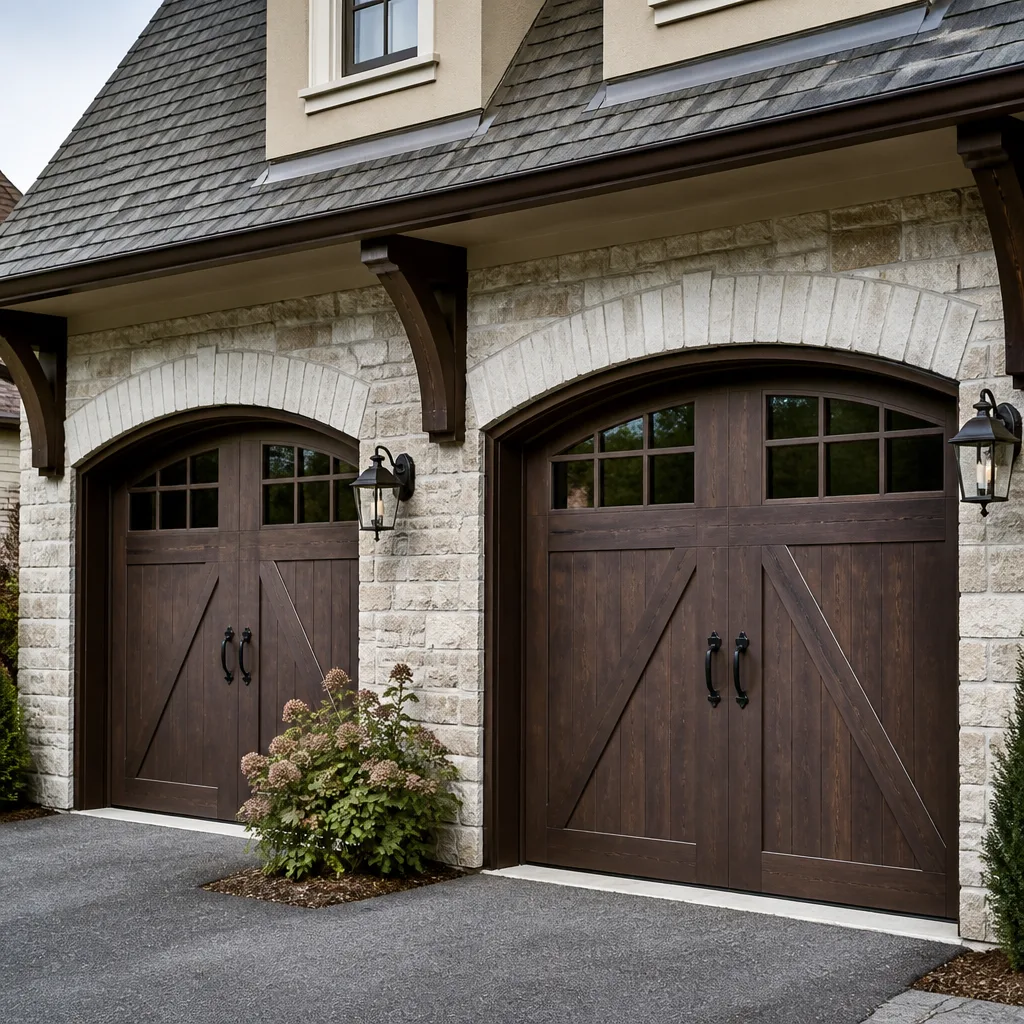 Carriage house
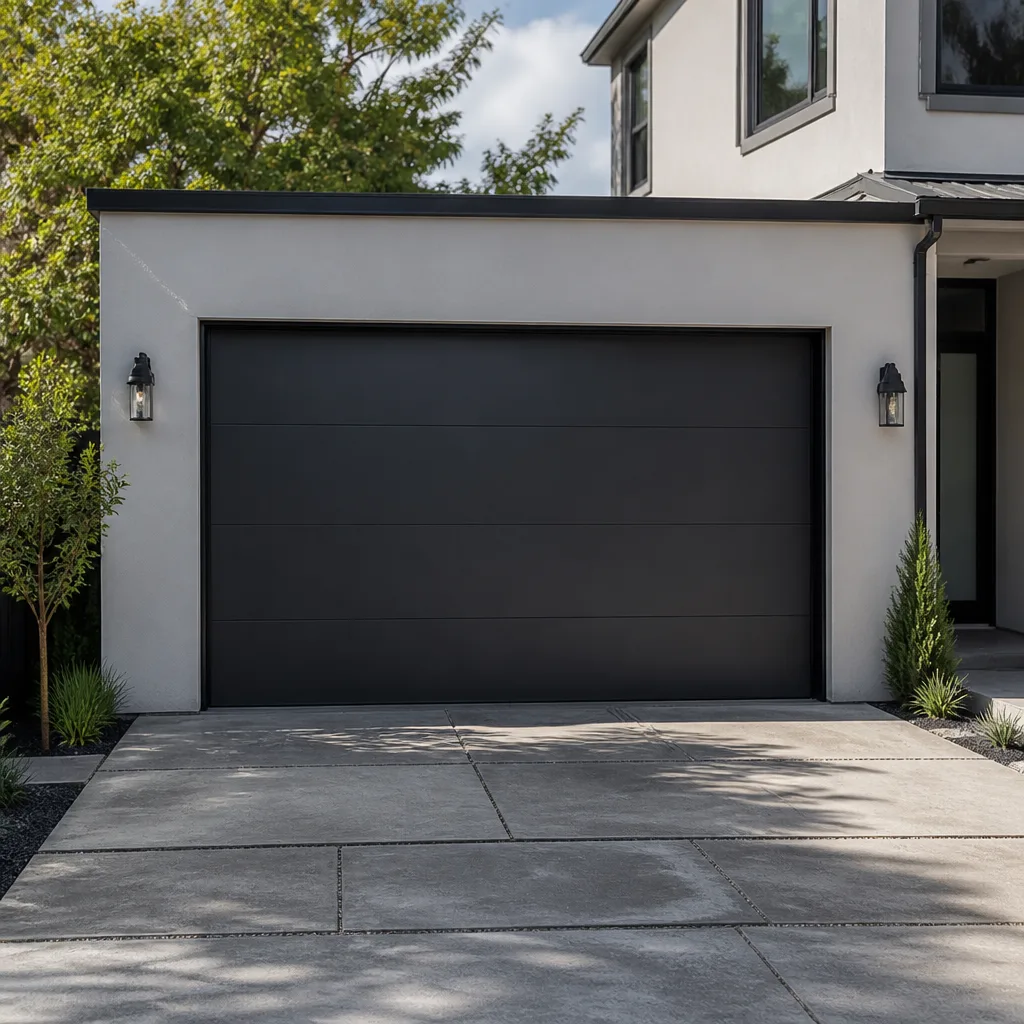 Modern flush
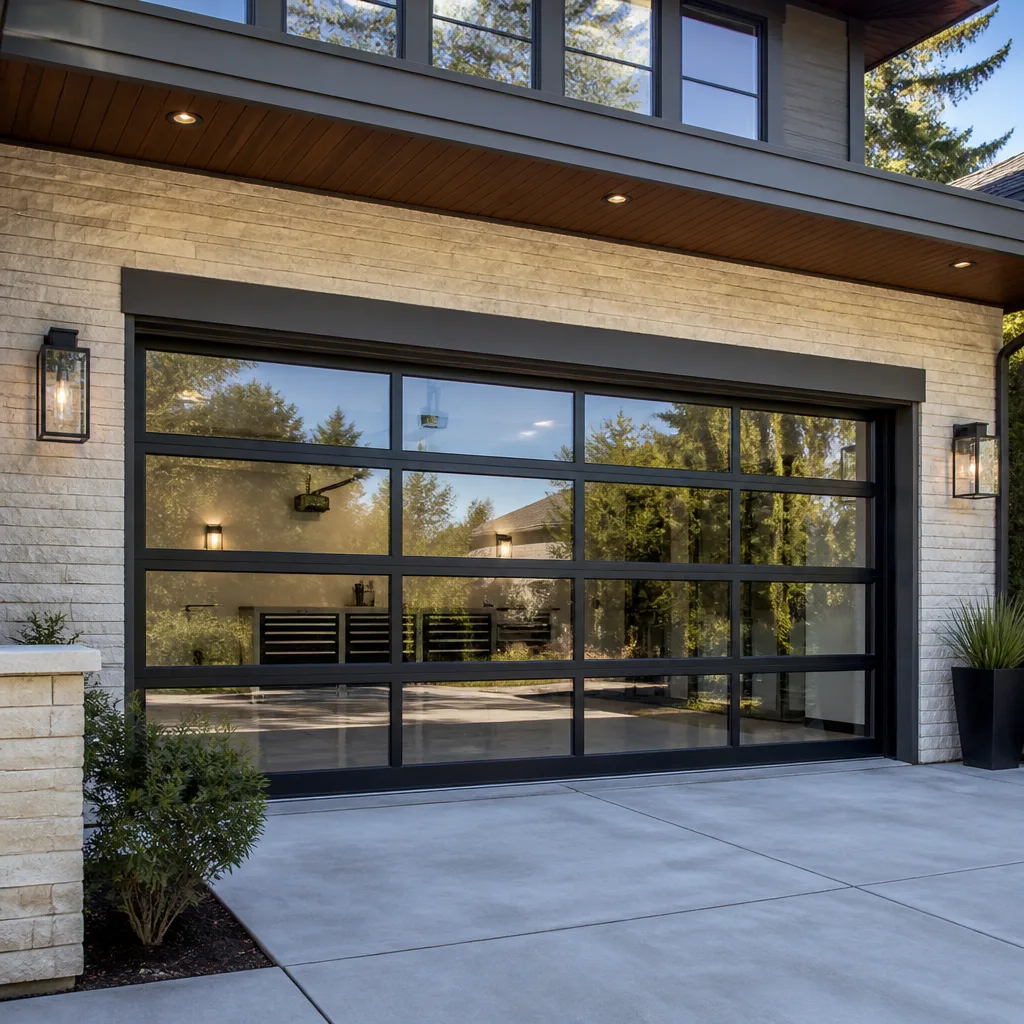 Full-view glass
 LiftMaster openers
 Chamberlain openers
Full 25-point door and opener safety check with every visit - springs, cables, rollers, tracks, and your LiftMaster or Chamberlain opener included
You get a price before we start. It does not change when the pro arrives.
Get your free estimateSeasonal Garage Door Care for Kingwood: Year-Round Homeowner’s Guide
Most seasonal garage door guides are written for places with four equal seasons. Kingwood doesn’t have them. What we have is a long, humid summer that quietly works on your seals and paint for five months straight, a short ice season that can crack weatherstripping in a single night, and a spring storm window that tests every moving part of the door at once. A care calendar built for Minnesota winters doesn’t match that reality. This guide walks through what to actually check and when, month by month, so your door in Kingwood stays balanced, sealed, and safe through the specific conditions this part of Texas throws at it.
Quick Answer
Garage door care in Kingwood should follow three seasonal blocks, not four: a May-to-September humidity protocol focused on seals, opener motor vents, and paint, a June 1 pre-hurricane checklist for wind resistance and manual operation, and a short winter playbook for the brief hard freezes that crack weatherstripping and ice over opener sensors. Spring storm recovery and seasonal spring-tension expectations round out the year.
Styles & brands we work with
- Raised-panel steel
- Carriage house
- Modern flush
- Full-view glass
- LiftMaster openers
- Chamberlain openers
Table of Contents
- The May-September Humidity Protocol
- Pre-Hurricane Season Prep Before June 1
- The February Freeze Playbook
- Spring Storm Recovery Checklist
- Why Your Door Feels Heavier by July
- Opener Care Through the Year
- Paint and Finish Inspection Cadence
- Common Mistakes to Avoid
The May-September Humidity Protocol
From roughly May through September, Kingwood sits in a pattern of warm, moist air that stays put. That long stretch of humidity does more steady wear to a garage door than any single cold snap. It’s also the season most homeowners ignore, because nothing breaks dramatically. Things just get softer, looser, and duller a little at a time.
Three tasks matter most in this window.
- Seal compression check. Once a month, close the door and look at the bottom seal and the side weatherstripping. The bottom seal should compress against the floor evenly across its full width. If you see daylight, a gap at one corner, or a seal that looks flattened and shiny, it’s lost its spring. A soft seal lets in humid air, insects, and water during a heavy rain, and it makes your door work harder to close fully.
- Opener motor vent clearing. Openers run hotter in summer, and dust plus humidity turns into a film that clogs the small vents on the motor housing. With the power off, wipe the vents and the area around the motor with a dry cloth once a month. A LiftMaster or Chamberlain unit that feels warm to the touch and sounds strained is telling you it’s working against a door that isn’t moving freely.
- Paint and finish inspection. Look at the door panels, especially the bottom panel and the edges, every six to eight weeks. Humidity plus sun breaks down paint from the seams outward. A Clopay or Amarr steel door that starts to chalk or dull is at the stage where a recoat protects the steel underneath.
If you handle these three checks through the summer, you’ll catch most seal and finish problems before they turn into a water intrusion issue or a repaint. The rest of the door, tracks and rollers included, just needs a light wipe-down and a look for rust spots.
Pre-Hurricane Season Prep Before June 1
Atlantic hurricane season opens June 1, and for Kingwood homeowners that date is a practical deadline, not a formality. A garage door is the largest opening in most homes, and it’s often the weakest point in a wind event. Preparing before the season starts is far easier than scrambling once a storm is named.
Here’s what to verify in May.
- Wind resistance rating. Check the door’s label or the paperwork that came with it. Garage doors carry a wind-load rating, and the higher the rating, the more wind pressure the door and its hardware are designed to handle. If you can’t find the rating, note the door’s brand and model and ask. Clopay and Amarr both publish rating information for their door lines.
- Reinforcement struts. Many doors can be fitted with horizontal reinforcement struts across the panels to improve wind resistance. If your door doesn’t have them and your area sees strong storms, this is a conversation to have before June, not during a watch.
- Manual release operation. Every opener has a manual release cord, usually red. Test it now, while the weather is calm. Pull it, lift the door by hand, and confirm it moves smoothly and that you can re-engage the opener afterward. If the power goes out during a storm, that cord is how you get the door open.
- Track and hinge bolts. Check that track brackets and hinge bolts are tight. Loose hardware rattles under wind load and can shift the door out of alignment.
If power is lost and you need to secure the door manually, lower it fully, engage the manual release back into position, and if your door has slide locks or a locking bar, use them. Never leave a door propped partway open in high wind. A partially open door catches wind like a sail and puts enormous stress on the panels and springs.
The February Freeze Playbook
Kingwood’s cold season is short, but it’s real, and a hard freeze here can do surprising damage because the door hardware isn’t built for it the way northern doors are. The February freeze may only last a few days, but those days matter.
Before a hard freeze
- Close the door fully and check that the bottom seal sits tight against the floor. A freeze won’t crack a seal that’s making full contact, but a seal with a gap lets cold air and moisture in at the edges.
- Wipe any standing water off the floor at the door threshold. Water that pools and freezes under the seal can lift and tear the rubber.
- Test the door’s balance by hand with the opener disengaged. A door that’s already heavy or binding will be worse in cold, stiff conditions.
During the freeze
Leave the door closed as much as possible. Opening and closing it in freezing conditions flexes the weatherstripping while it’s stiff, which is exactly when it cracks. If you must open it, do so slowly and let it come down gently.
After the freeze
Walk the full perimeter of the door and look at the weatherstripping for splits, especially at the corners and along the bottom edge. Check the safety sensors at the bottom of each track; if ice or condensation built up on the lenses, the opener may refuse to close, and a quick wipe with a dry cloth usually restores it. If a sensor lens is cracked from cold, replace it rather than taping over it. And if the door feels stiffer or heavier than it did before the freeze, that’s worth a professional look, because the springs may have lost tension or the rollers may be seized.
Spring Storm Recovery Checklist
Spring in Kingwood brings high-wind storms, and after one passes, a quick inspection tells you whether you have a real problem or just a door that needs a reset. You don’t need a technician for every gust, but you do need to know what to look at.
- Look at the cables. With the door closed, check that the cables on both sides sit evenly in their drums and run straight down the tracks. A cable that’s jumped its drum or looks frayed is a stop-and-call situation. Never touch a cable under tension.
- Check panel integrity. Look down each panel from the side. Panels should be flat and aligned. A dented or bowed panel puts stress on the hinges and can throw the door off track.
- Confirm the door is level. Open it partway and step back. If one side sits higher than the other, the door is out of balance.
- Test the safety reverse. Place a small object in the door’s path and close it. The door should reverse on contact or when the sensors detect an obstruction.
- Listen. A door that suddenly squeals, grinds, or pops after a storm has hardware that shifted.
If the door is level, the cables are seated, the panels are straight, and the safety reverse works, you’re fine. If any of those checks fail, that’s when a professional inspection pays for itself. Springs and cables carry extreme tension, and a storm can leave them in a state where a DIY adjustment is genuinely dangerous.
Why Your Door Feels Heavier by July
A door that balanced perfectly in December often feels heavy and sluggish by July. Nothing has broken. This is just how garage door springs behave in a Gulf Coast climate, and understanding it helps you know when it’s a nuisance and when it’s a safety concern.
Torsion and extension springs are steel under constant tension. Heat and humidity affect steel in small ways that add up. As the temperature climbs through spring and into summer, the springs expand slightly, which lowers the tension they deliver. At the same time, the door’s rollers and hinges get stickier in humid air, and the seals get softer and drag more. The result is a door the opener has to lift harder than it did in cooler months.
You can check the balance yourself, safely, with the opener disengaged. Lift the door by hand to about waist height and let go. A well-balanced door stays roughly where you put it. A door that sinks quickly has springs that have lost tension. If the door feels heavy enough that you can’t lift it comfortably, stop and call a professional. Springs are under extreme tension, and adjusting or replacing them is not a DIY repair. A spring that fails while you’re working near it can cause serious injury.
This seasonal softening of spring tension is normal, but a door that gets progressively harder to lift, or that slams down when released, needs a spring inspection. If you notice the change early, a technician can measure the tension and tell you whether you’re due for a spring service or just need a lubrication and balance adjustment.
Opener Care Through the Year
Your opener is the part of the system that works every single day, and it takes the most abuse when the door is heavy. Care differs slightly by season, but the fundamentals are the same whether you have a smart-home-compatible LiftMaster or Chamberlain unit or a traditional Genie or Craftsman system.
- Spring and summer: Clear the motor vents monthly. Listen for a change in sound. Check that the safety sensors are aligned and clean, since humidity and insects can fog or block the lenses.
- Fall: This is the best time to check the opener’s force settings and travel limits, because the door will be tested through the cooler months. Lubricate the chain or belt per the manufacturer’s guidance.
- Winter: Cold stiffens everything. If the opener strains or reverses on its own during a freeze, the safety sensors may be iced over or the force setting may be too low for the cold. A sensor wipe and a professional reset usually solves it.
If your opener is Wi-Fi-connected, take a minute to open the app and confirm the door reports its position correctly. A smart opener that thinks the door is open when it’s closed means a sensor or travel-limit issue, and that’s worth fixing before it becomes a security gap. When an opener stops working entirely, our garage door opener repair handles both legacy units and modern connected systems, including diagnosing the difference between a dead opener and a door that’s simply too heavy for it.
Paint and Finish Inspection Cadence
Paint on a garage door does two jobs: it looks good and it protects the steel or wood underneath. In Kingwood’s humidity, the second job matters more. Sun and moisture break down paint from the seams, the bottom panel, and any spot where the finish is thin.
A workable cadence looks like this.
- Every six to eight weeks through summer: A quick visual pass. Look for chalking (a powdery white film), dulling, or small bubbles near the bottom edge or around hardware.
- Once in fall: Wash the door with mild soap and water, let it dry fully, and check for cracks or peeling paint.
- Once a year: Touch up any chips or scratches with matching paint. If the finish is chalking across the whole door, plan a recoat before the next humid season.
For a wood door, this cadence is more important. Humidity swells wood, and paint that’s cracked lets moisture into the grain. For a steel Clopay or Amarr door, the paint protects against rust, and a chip that’s left through a summer will start to show rust at the edges by fall. A new door or a full refinish is sometimes the right call when the finish has failed across the whole surface, which is where garage door installation comes in as an option to weigh against another repaint.
Common Mistakes to Avoid
- Treating the door like northern-climate equipment. Spending effort on snow and ice prep while ignoring five months of humidity is backwards here. Seals and finish are the priority, not ice dams.
- Skipping the pre-June manual release test. Homeowners often discover the manual release doesn’t work during a power outage, when it’s too late. Test it in May, every year.
- Ignoring the bottom seal in summer. A soft, flattened seal from the humid season lets water and insects in and makes the door work harder. A cheap seal replacement in fall prevents bigger problems.
- Spraying lubricant on the tracks. Lubricant belongs on rollers, hinges, and springs, not on the tracks themselves, where it collects dirt and gums up the rollers. Use a proper door lubricant on the moving parts.
- Adjusting springs yourself after a freeze or storm. Springs are under extreme tension and a DIY adjustment can lead to serious injury. If the door feels heavy or won’t stay balanced, call a trained professional.
- Closing the door hard to force a misaligned sensor. A door that reverses or won’t close usually has a sensor problem, not a stubborn-door problem. Clean the lenses and check alignment rather than forcing it.
- Letting a small dent become a track problem. A bowed panel from a storm puts extra stress on hinges and can pull the door off track. Straighten or replace it early.
See the difference
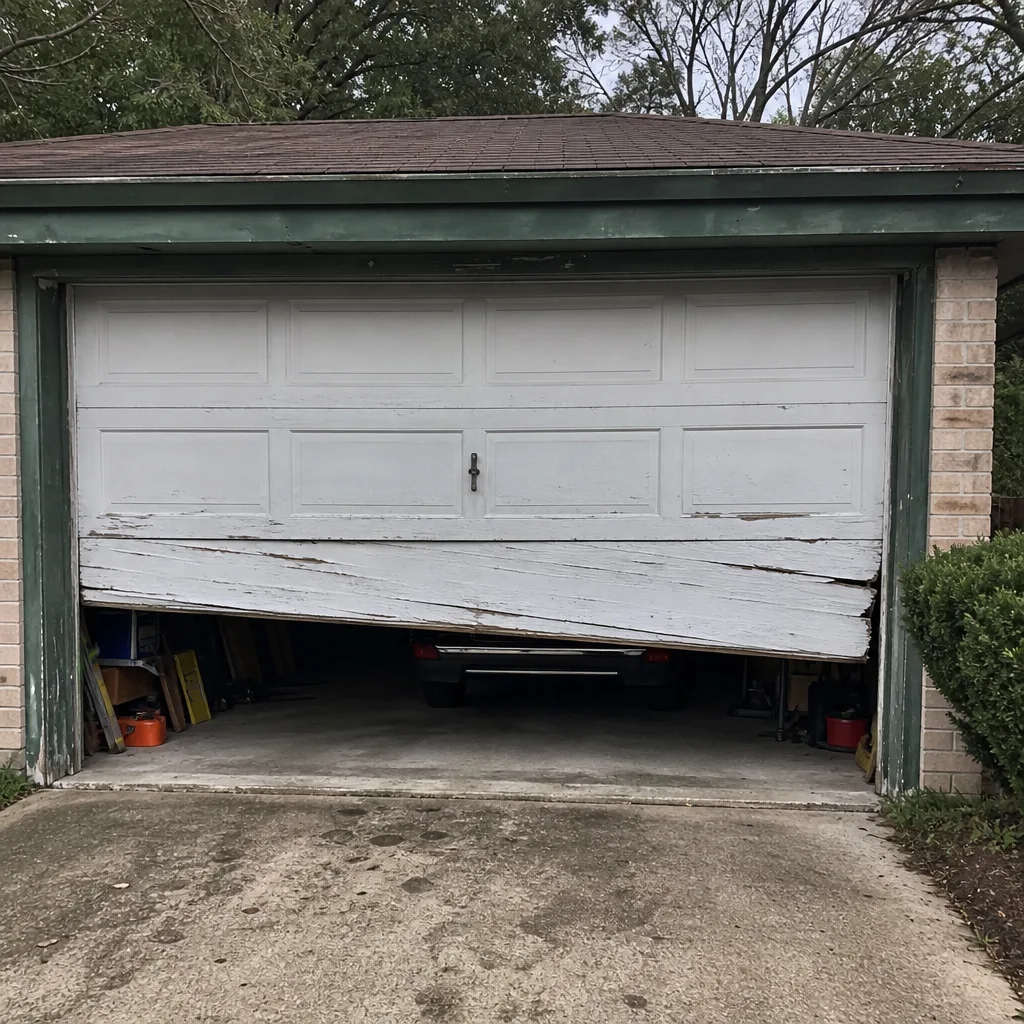 Before
 After
 Before
 After
 Before
 After
When to Call a Professional
Call a professional when the door won’t balance on its own, when a spring looks stretched, broken, or makes a loud snap, when a cable has jumped its drum or looks frayed, or when the door binds or scrapes in its tracks. Call, too, if the opener strains, reverses for no reason, or is too weak to lift a door that used to open easily. For safety reasons, never handle springs or cables yourself: they’re under extreme tension and a failure can cause serious injury.
Kingwood Garage Door Repair offers free estimates in Kingwood. Our technicians have up to 9 years of experience, and we work on the brands you already own, from LiftMaster and Chamberlain openers to Clopay, Amarr, Wayne Dalton, Genie, Craftsman, and Raynor doors and systems. Call (888) 853-9961 for a free estimate. We quote and agree the price with you before any work starts, so there are no surprises on the invoice.
Frequently Asked Questions
Twice a year is the practical answer: once before hurricane season starts in June and once before the winter freeze window. Between those visits, monthly checks on the bottom seal, opener vents, and safety sensors through the humid months catch most problems early. A door that gets heavy, noisy, or slow between those checks should be looked at sooner.
Heat and humidity lower spring tension and make rollers and seals drag, so a door that balanced in cooler months feels heavier by July. That’s normal seasonal behavior, but a door that gets progressively harder to lift or slams down when released needs a spring inspection. Call (888) 853-9961 for a free estimate if the change is significant.
Verify your door’s wind resistance rating, confirm any reinforcement struts are in place, test the manual release cord, and tighten track and hinge hardware before June 1. If you can’t find the rating on the door or paperwork, note the brand and model and ask a professional. Call us for a pre-season inspection with a free estimate.
Yes. A hard freeze can crack stiff weatherstripping, especially at the corners and along the bottom edge, and it can ice over the opener’s safety sensors. Close the door fully before a freeze, wipe up standing water at the threshold, and inspect the seal for splits afterward. Call us if the seal is cracked or the sensors don’t recover.
No. Garage door springs are under extreme tension and a failure during adjustment can cause serious injury. Lubrication of hinges and rollers is a reasonable DIY task, but spring tension, spring replacement, and cable repair should always be handled by a trained professional. Call us for a free estimate on spring repair.
We service LiftMaster, Chamberlain, Genie, Craftsman, Raynor, Clopay, Amarr, and Wayne Dalton garage door and opener systems, which covers most of the equipment installed in Kingwood homes. If you’re not sure of your brand, tell us what’s on the door or opener label and we’ll tell you whether we can handle it. Call (888) 853-9961 for a free estimate.
The Bottom Line
Kingwood’s climate doesn’t follow the national template, so your care calendar shouldn’t either. Focus on the humid summer for seals, opener vents, and paint; the pre-June window for wind rating, manual release, and hardware; the short winter freeze for weatherstripping and sensors; and spring storms for a quick recovery check. Expect the door to feel a little heavier by July, and treat any major change in tension as a professional matter, not a weekend project. Springs and cables are the one part of this system you should never touch yourself. If a check turns up something you’re not sure about, our garage door repair team can diagnose it, and the Kingwood Garage Door Repair team can guide you through repair, parts, or a full replacement.
For anything on this list, call (888) 853-9961 for a free estimate.
Written by the team at Kingwood Garage Door Repair.