Last updated November 21, 2026
 Raised-panel steel
 Carriage house
 Modern flush
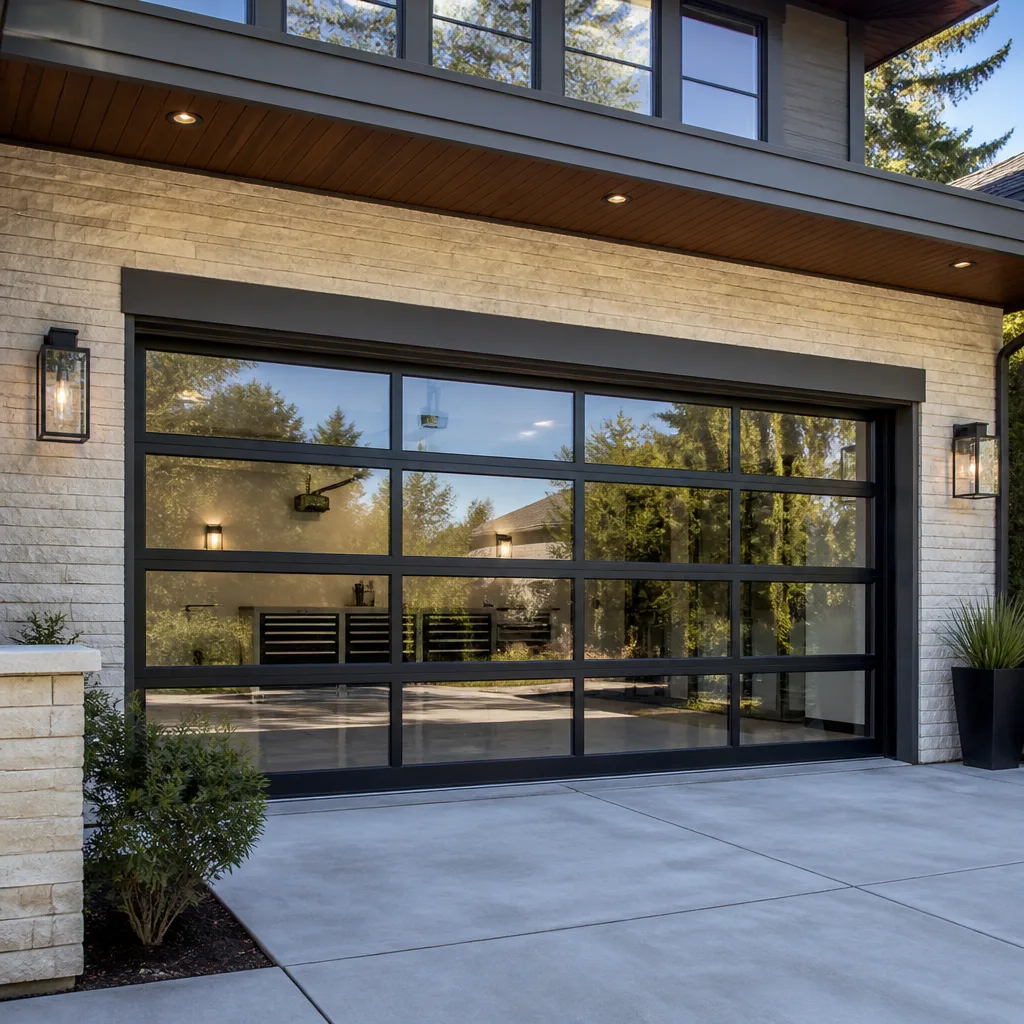 Full-view glass
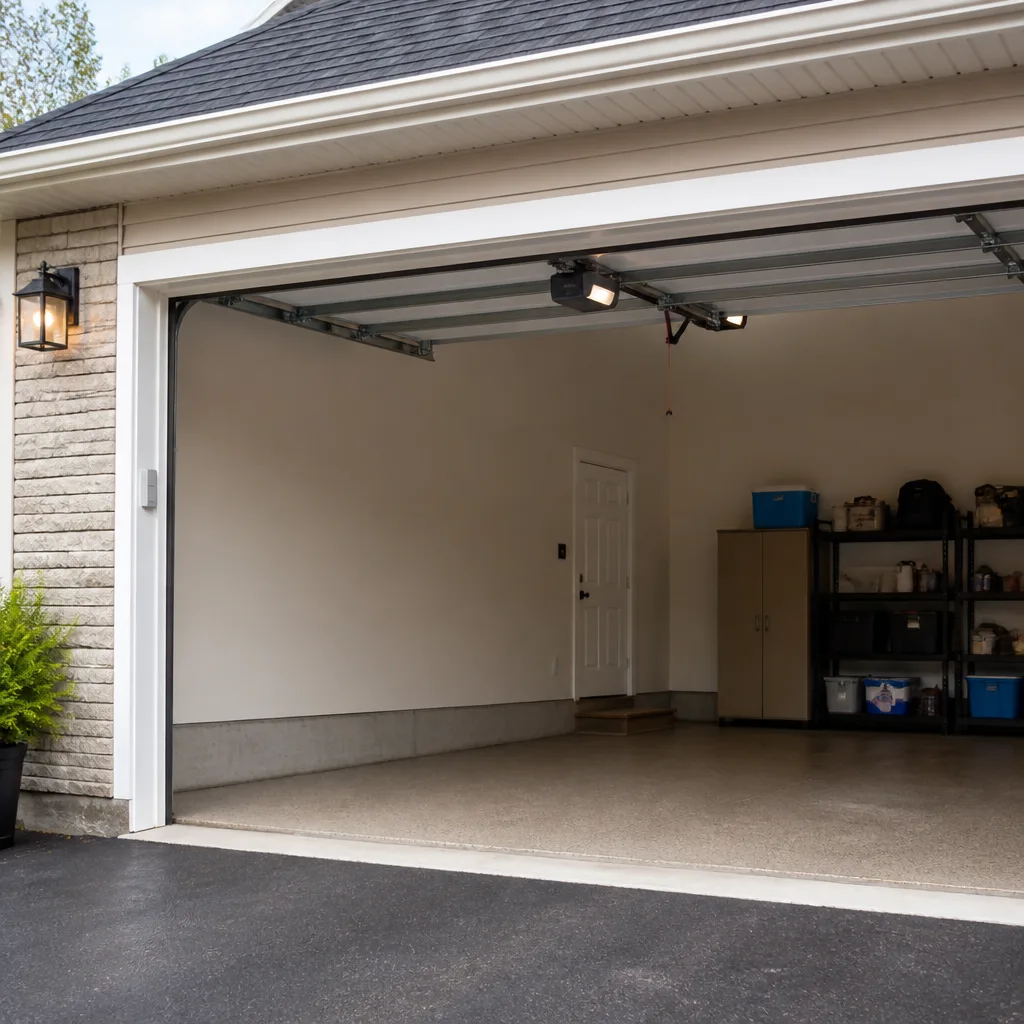 LiftMaster openers
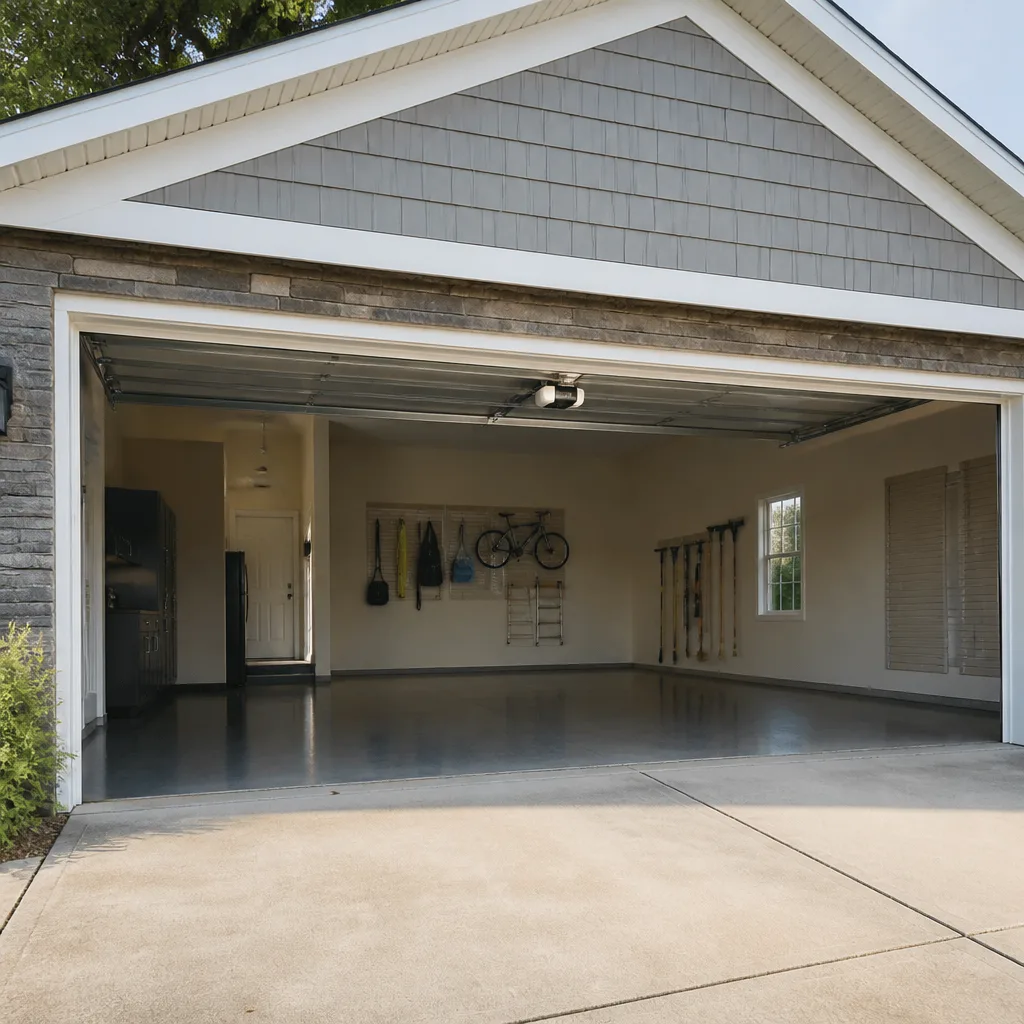 Chamberlain openers
Full 25-point door and opener safety check with every visit - springs, cables, rollers, tracks, and your LiftMaster or Chamberlain opener included
You get a price before we start. It does not change when the pro arrives.
Get your free estimateGarage Door Warning Signs: A Kingwood Homeowner’s Reference Guide
Most garage door failures announce themselves well before the door quits. A torsion spring that’s about to break usually starts talking two or three weeks ahead of time – a light pop at the end of each cycle, a small hesitation as the door lifts. Homeowners hear it, think “I should get that looked at,” and then a week later the door won’t budge. The people who call early are the ones who already know what that sound means. This guide is written to give you that head start: what each sound points to, what the visual cues on panels and cables mean in Kingwood‘s damp Gulf-humidity climate, how to run a simple slow-on-one-side test, and how to sort every warning sign into watch-it, stop-using-the-door, or call-today urgency.
Quick Answer
Garage door warning signs sort into two buckets: sounds (grinding usually means track or roller wear, popping points to spring stress, scraping suggests a misaligned cable) and visual cues (rust striping at panel seams, a compressed bottom seal you can see from inside, and frayed cables along their length). Any sign that involves a spring, a cable, or a door that moves unevenly means stop using the door and call a technician – these are tension-loaded parts that can cause serious injury. Grinding rollers or a noisy opener are usually safe to monitor for a few days while you book a repair.
Styles & brands we work with
- Raised-panel steel
- Carriage house
- Modern flush
- Full-view glass
- LiftMaster openers
- Chamberlain openers
Table of Contents
- Why Warning Signs Matter More Than You Think
- The Audio Diagnostic Guide: Grinding, Popping, and Scraping
- Visual Warning Signs in Kingwood’s Humidity
- The Slow-on-One-Side Test
- Opener-Specific Warnings
- The Triage Matrix: Watch, Stop, or Call Today
- A Seasonal Walk-Around Checklist for Kingwood Doors
- Common Mistakes to Avoid
- When to Call a Professional
Why Warning Signs Matter More Than You Think
A garage door is the largest moving object on a house. It runs on springs that carry the door’s weight under continuous tension, cables that keep that tension even, rollers that ride a track, and an opener that adds lift and control on top of all of it. When one part drifts out of spec, the others take up the slack. A worn roller makes the door drag, the opener works harder, and eventually a gear in the opener strips. A subtly kinked cable starts rubbing the drum, and the wire thins until it frays.
That’s why warning signs are worth taking seriously. They show you where a system is already compensating for a weak spot. Catching the weak spot early is the difference between replacing one roller and replacing a whole opener – or between booking a routine spring replacement and calling for a door that’s stuck down with your car inside.
In our experience across Kingwood, the doors that fail hardest are rarely the ones that were making noise yesterday. They’re the ones that were making noise for a month while nobody looked. Homeowners in older established neighborhoods like Elm Grove and Kings Point, where many doors have run through years of humid summers, tend to see the slow wear signs first: rust blooms, stretched seals, and roller flats that show up as a rattle on the way up.
What follows is organized so you can use it as a reference, not a one-time read. Bookmark it, come back when something sounds off, and use the triage section to decide whether you’re watching a minor issue or looking at a repair you shouldn’t put off.
The Audio Diagnostic Guide: Grinding, Popping, and Scraping
Sound is the fastest diagnostic tool you have. Different noises come from different parts, and each one tells you how urgent the problem is. Listen from inside the garage while someone else runs the door – or stand still and listen on your own. The three sounds below cover most of what Kingwood homeowners describe when they call us.
Grinding
Grinding is usually a track or roller problem. Metal-on-metal contact comes from roller bearings that have lost their grease, rollers that have worn out of round, or a track that’s been knocked slightly out of alignment so the door rides against the edge. Grinding is rarely an emergency, but it speeds up wear: every cycle that grinds takes a little more life out of the rollers and the opener. On a door with a Genie or LiftMaster opener, a grinding track can also make the opener strain and shorten the life of the drive gear.
Urgency: Monitor and book a repair within a week or two, unless the grinding is accompanied by the door jerking.
Popping
A pop or a bang at the start or end of the door’s travel is the sound most often tied to spring stress. Torsion springs are wound tight to hold the door’s weight, and a pop can mean the spring has shifted on its shaft, that the torsion tube’s set screws have loosened, or that the spring is developing a weak point before it snaps. This is the sound described in the opening of this guide – it often appears for two or three weeks before a spring breaks outright.
Treat popping as a stop-using-the-door signal. Torsion springs are under extreme tension, and this is not a DIY repair. A trained technician has the tools to release the tension safely; a homeowner with a wrench doesn’t.
Scraping
Scraping usually means a cable has gone out of its proper channel on the drum, or that a cable has loosened enough to rub against the door, the drum edge, or the bracket. On Kingwood doors, cable misalignment often develops slowly, and the scraping is the first clear sign. If you can trace the scraping sound to a cable, stop using the door. A cable that jumps its drum under load can snap, and the door can drop.
Visual Warning Signs in Kingwood’s Humidity
Kingwood’s climate runs warm and humid most of the year, and that shapes what wear looks like here. You won’t see freeze-thaw damage or road-salt corrosion on garage door hardware – you’ll see humidity and moisture-driven rust, seals that compress and crack faster than in dry climates, and cable wear that hides behind grime until you look closely. A quick visual inspection twice a year catches most of it.
Rust striping at panel seams
Walk around the inside of the door and look along the horizontal seams where one panel meets the next. On steel doors, including common Clopay and Amarr models, you’ll often see thin rust lines starting at the bottom edge of each seam – water collecting in the joint and working its way in. Early striping is cosmetic. When the rust starts weeping through to the outside face or bubbling the paint, the panel itself is failing and replacement becomes the smarter option.
Seal compression failure
Look at the bottom seal from inside the garage with the door closed. A healthy seal flattens evenly against the floor. A failing one shows gaps, a flattened and hardened strip that’s lost its springiness, or visible tearing at the corners. Seal failure matters more in Kingwood than it does in dry climates – a gap at the bottom invites humid air in, which is why some garages here feel damp even when the outside weather is decent. Replacing a bottom seal is one of the cheaper repairs on a door and one of the most often skipped.
Cable fraying patterns
Follow each lift cable from the drum down to the bottom bracket. Look for broken wire strands poking out like a frayed rope, kinks where the cable has jumped, or a cable that’s started to rub a shiny track into the drum. Fraying usually shows first at the drum end, where the cable wraps and unwraps with every cycle. Any visible fraying means the door should not run until a technician has looked at it.
Panel and hinge wear
Run a hand along each hinge and check for play. Loose hinges rattle, and a door with several loose hinges has uneven weight distribution – which stresses the springs. On doors from Wayne Dalton and other stamped-steel builders, hinges are a frequently neglected wear part.
The Slow-on-One-Side Test
A door that lifts or lowers unevenly is telling you which system is failing. This test gives you a fast way to narrow it down.
- Disconnect the opener. On most openers, pull the emergency release cord once the door is fully closed. The door is now on manual.
- Lift the door by hand to about waist height and stop. Watch both sides of the door as it rises.
- If one side rises or falls faster than the other, note whether the gap appears while lifting or only when the door settles at the top.
- Lower the door slowly. Listen for a change in sound on the slow side – a soft thunk or scrape is a clue.
What it means:
- One side lags from the start of the lift: usually a spring that has lost tension on that side, or a cable that’s binding. Springs on a two-spring door are often replaced as a matched pair for exactly this reason – replacing one and leaving the other means the door will pull unevenly from day one.
- Door lifts evenly but drops on one side at the top: often a track issue – a track that’s out of plumb, bent, or has loosened at the bracket. This can usually be adjusted without replacing parts.
- Both sides feel heavy, no unevenness: opens the possibility of both springs being weak – common on an older door whose springs have gradually lost tension over years of use. It’s a good reason to book a service visit.
If you’re not comfortable running the manual test (older doors can be heavy), skip it. A technician can run the same test in a few minutes during a service call. What we’d ask is that you don’t keep running the door with the opener while it looks uneven – that stress is what breaks hardware.
Opener-Specific Warnings
The opener is the part of the system most likely to fail quietly. It doesn’t usually break in one moment – it develops symptoms. Knowing the three most common ones gives you a way to decide whether you’re looking at a simple remote issue or a motor that’s on its way out.
Flickering wall-button response
If the wall button sometimes works and sometimes doesn’t – particularly if it flickers or the opener’s light dims when you press it – the first suspect is a loose wire or a failing wall control. Less often it’s the opener’s logic board. On Wi-Fi-connected LiftMaster and Chamberlain openers, intermittent response can also come from the MyQ module needing a reset. Rule out the simple causes first: check the wire connections at the wall button and the opener head, and try a fresh battery in the remote. If the wall button still flickers, book garage door opener repair.
Delayed reversal
Every garage door opener has a safety reversal: if the door meets an obstruction on the way down, it should reverse. On modern openers the reversal should happen the moment the door contacts the obstruction. A door that hesitates – reaches the obstruction, pauses, then reverses – has a safety sensor or board issue that needs attention. Test it monthly by placing a small object in the door’s path (a roll of tape works) and watching whether the door reverses immediately. If it doesn’t, stop using the door and book a service call. Reversal is one of the two safety systems that protect people and pets from being trapped.
Motor running after the door stops
If you hear the opener motor continue to run for a second or two after the door has fully stopped moving, the drive gear or the limit switch is likely developing a problem. On Genie and Craftsman openers this often shows up as a faint grinding at the end of travel that gets louder over several weeks. Left alone, the gear can strip entirely – at which point the opener runs but the door doesn’t move, and you’re looking at a motor replacement instead of a gear and limit adjustment.
The Triage Matrix: Watch, Stop, or Call Today
Not every warning sign needs the same response. Here’s how to sort what you’re seeing or hearing into three urgency levels. When in doubt, err on the side of the more urgent level – a technician can always downgrade, but you can’t un-break a spring.
Level 1: Watch and monitor
- Light grinding from a roller
- A door that rattles when it starts or stops
- Faint panel rust striping at seams (not through to the outside)
- Faded or slightly hardened bottom seal, no gaps
- Remote that needs a new battery
Book a repair within the next week or two. Nothing is unsafe yet, but the wear will accelerate if left alone.
Level 2: Stop using the door
- Any popping or banging sound at start or end of travel
- Visible cable fraying, kinking, or a cable off the drum
- Door that moves unevenly during the manual test
- Bent or knocked track (door may come off the track under load)
- Delayed reversal on the opener’s safety test
- Visible rust weeping through panel seams
Stop using the door today. Book a service call and keep the door closed until a technician has looked at it. If your car is trapped behind the door, a technician can often release it manually without running the opener.
Level 3: Call today (urgent)
- Door is stuck open or stuck closed
- A loud bang followed by the door not moving (broken spring)
- Door hanging visibly crooked – one side down, one side up
- Opener runs but the door doesn’t move (stripped gear)
- Door has come off its track
Call for same-day service. If the door is stuck open, unplug the opener and keep people and pets clear of the door until a technician arrives. Never prop a door up on a broken spring and drive under it – the door can drop without warning.
A Seasonal Walk-Around Checklist for Kingwood Doors
Twice a year – spring and fall work well in Kingwood – a fifteen-minute walk-around catches most developing problems before they become failures. Here’s what we suggest.
- Test the safety reversal. Place a small object in the door’s path and close the door. It should reverse on contact. Do the same with the photo-eye sensors by waving something between them.
- Balance the door by hand. Disconnect the opener, lift the door halfway, and let go. A balanced door holds its position. A door that falls or rises on its own has a spring problem.
- Listen to the full cycle. One open-and-close, listening for grinding, popping, or scraping.
- Look along the track. Check for dents, bends, or debris that could catch a roller. A single dented section of track can cause weeks of stress.
- Check the cables. Look for fraying or kinks along the length. Don’t try to adjust tension yourself.
- Inspect hinges and rollers. Loose hinges should be tightened; flat-spotted or wobbly rollers should be replaced.
- Look at the seal and panel seams. Early rust and a hard, cracked seal are the two humidity-driven signs to catch in their first year.
- Lubricate the moving parts. Rollers, hinges, and springs on the torsion tube benefit from a proper door lubricant – not WD-40, which is a cleaner, not a lubricant.
If the walk-around turns up anything in Level 2 or 3 on the triage matrix, book an inspection rather than waiting for the next seasonal pass. A parts supply service matters here – if the problem turns out to be a worn roller or a frayed cable on a Clopay or Amarr door, having the right replacement part on hand speeds up the fix.
Common Mistakes to Avoid
- Treating the emergency release cord as a long-term fix. Once the door is on manual, it stays on manual – the opener can’t reconnect until the door is properly balanced and the trolley is re-engaged. Homeowners sometimes disconnect the opener and leave it disengaged for weeks; the door ends up being opened by hand every day, which adds to the wear.
- Pushing a door that won’t close. If the opener stops the door on the way down or the door hits an obstruction and doesn’t reverse, don’t force it. The most likely causes – a misadjusted limit switch, a failing sensor, or a spring that’s lost tension – all get worse when pushed.
- Replacing one spring and leaving the other. On a door with two torsion springs, both carry the door’s weight. Replacing one and leaving the other produces uneven lift, which stresses the new spring and shortens its life. A matched pair is the standard repair.
- Using WD-40 as a lubricant. It cleans, it doesn’t lubricate. A proper garage door lubricant keeps rollers and hinges quiet without attracting dust. In Kingwood humidity, dust plus oil becomes a sticky paste on the track within a few months.
- Ignoring a popping sound because the door still works. The pop is the warning, and the door working today doesn’t mean it will work tomorrow. Many spring breaks happen after three or four weeks of the pop being audible.
- Hiring a multi-trade handyman for a spring or opener repair. Spring replacement takes specialized tools and training. Opener diagnostics on modern smart units – the Wi-Fi-connected LiftMaster and Chamberlain units – need someone who knows the brand. Generalists guess; specialists diagnose.
- Skipping the seasonal walk-around. Fifteen minutes twice a year catches more problems than any single emergency repair. The doors that last the longest are the ones that get looked at on a schedule.
When to Call a Professional
Call us when the warning signs point to springs, cables, or anything that moves the door under load. Those are the parts where getting it wrong once can mean an injury. Call us when a door that used to run smoothly now hesitates, pops, or drags – even if it still opens. Call us when the opener hesitates to reverse, runs after the door stops, or the wall button flickers. And call us if you’re not sure: describing a sound over the phone usually gets you a straight answer about whether it’s a same-day issue or a book-it-in repair.
The best call is the one you make before the door fails. Kingwood Garage Door Repair offers free estimates in Kingwood – call (888) 853-9961. We work with the multi-brand systems most Kingwood homes already have installed: LiftMaster, Chamberlain, Genie, Clopay, Amarr, Wayne Dalton, Craftsman, and Raynor. Your brand. Our expertise. Our technicians have up to 9 years of experience, and every job is quoted and agreed before any work starts – so the price you hear is the price you pay. Whether the answer is a spring repair or a new door entirely, the estimate comes free and the work gets done right.
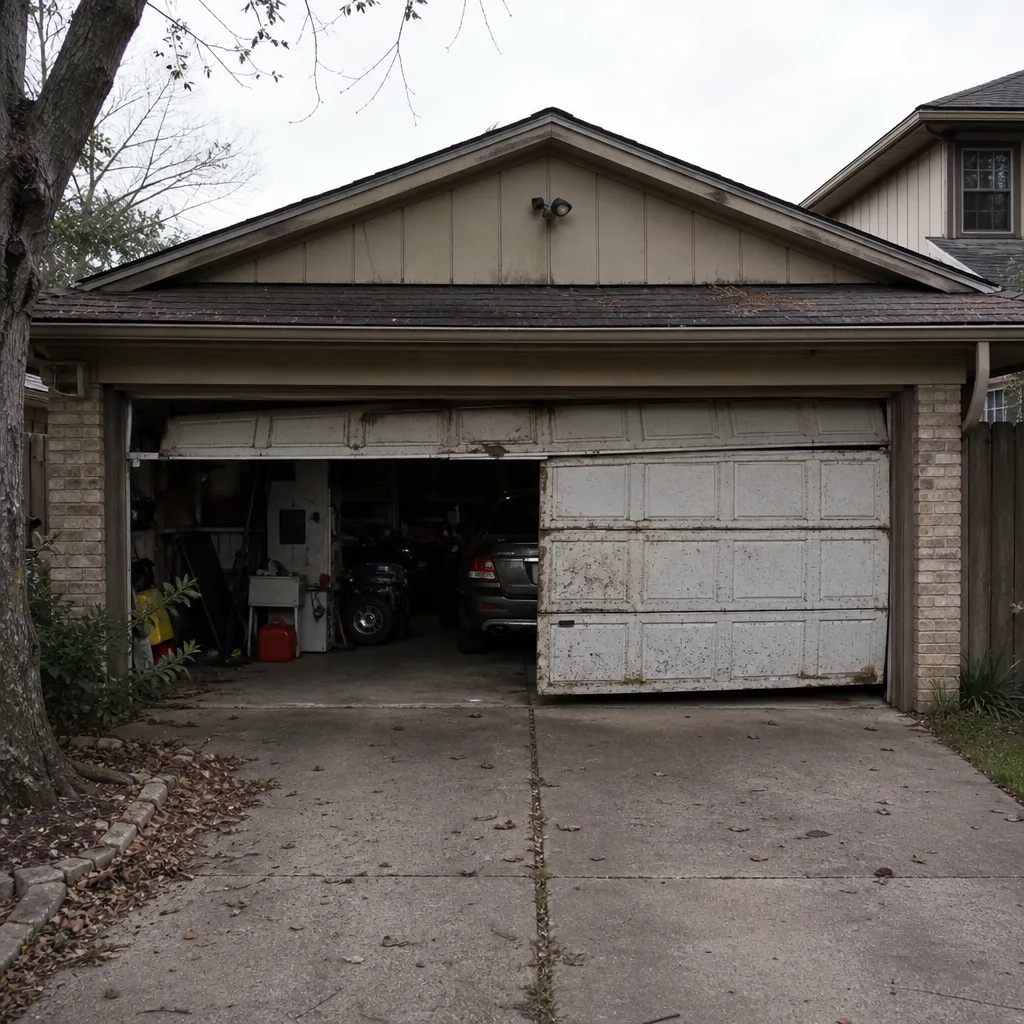
See the difference
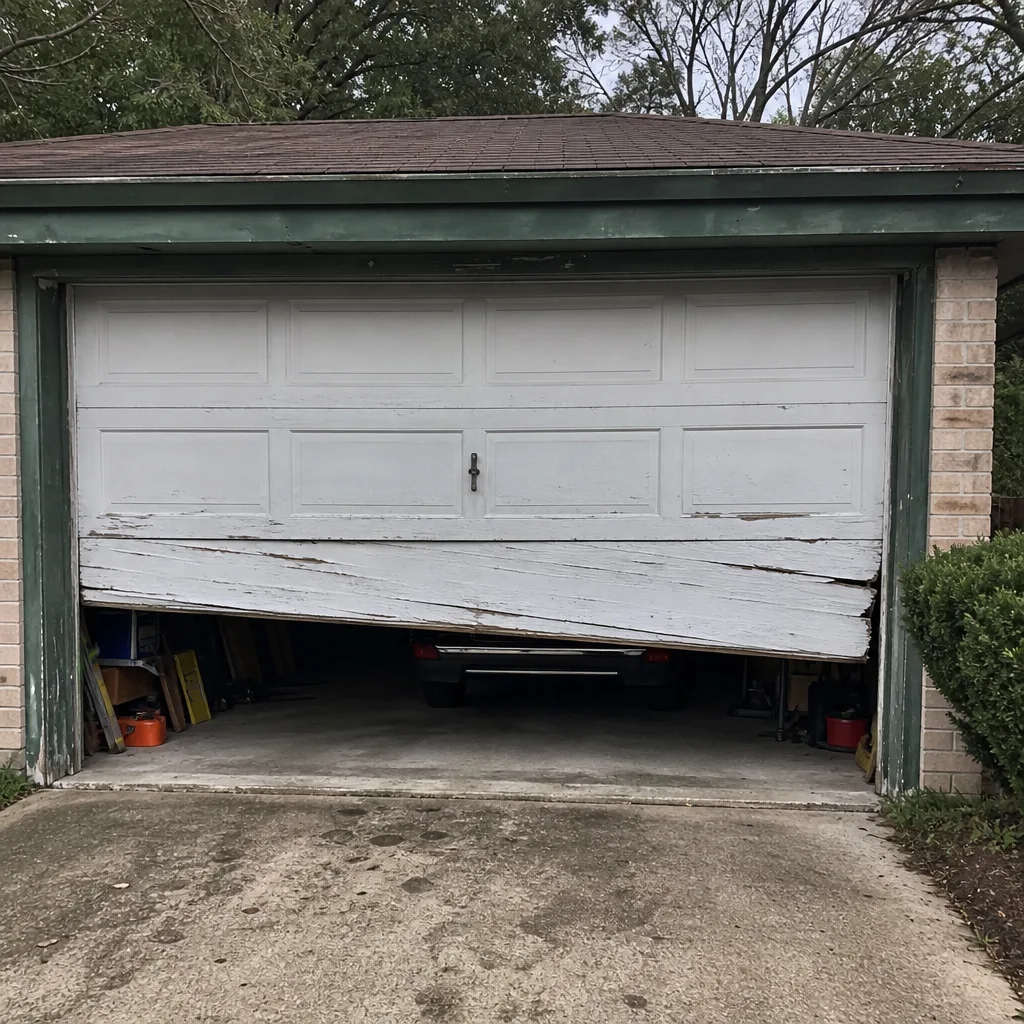 Before
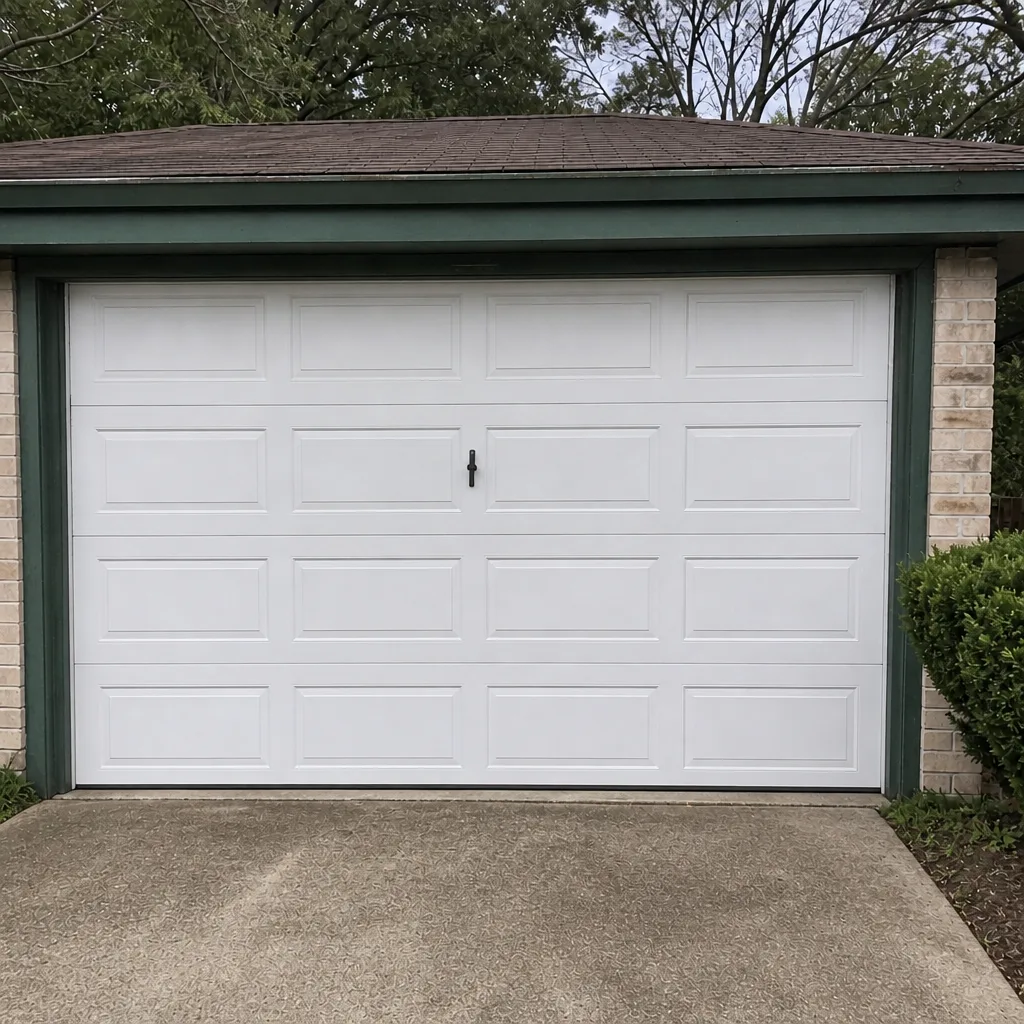 After
 Before
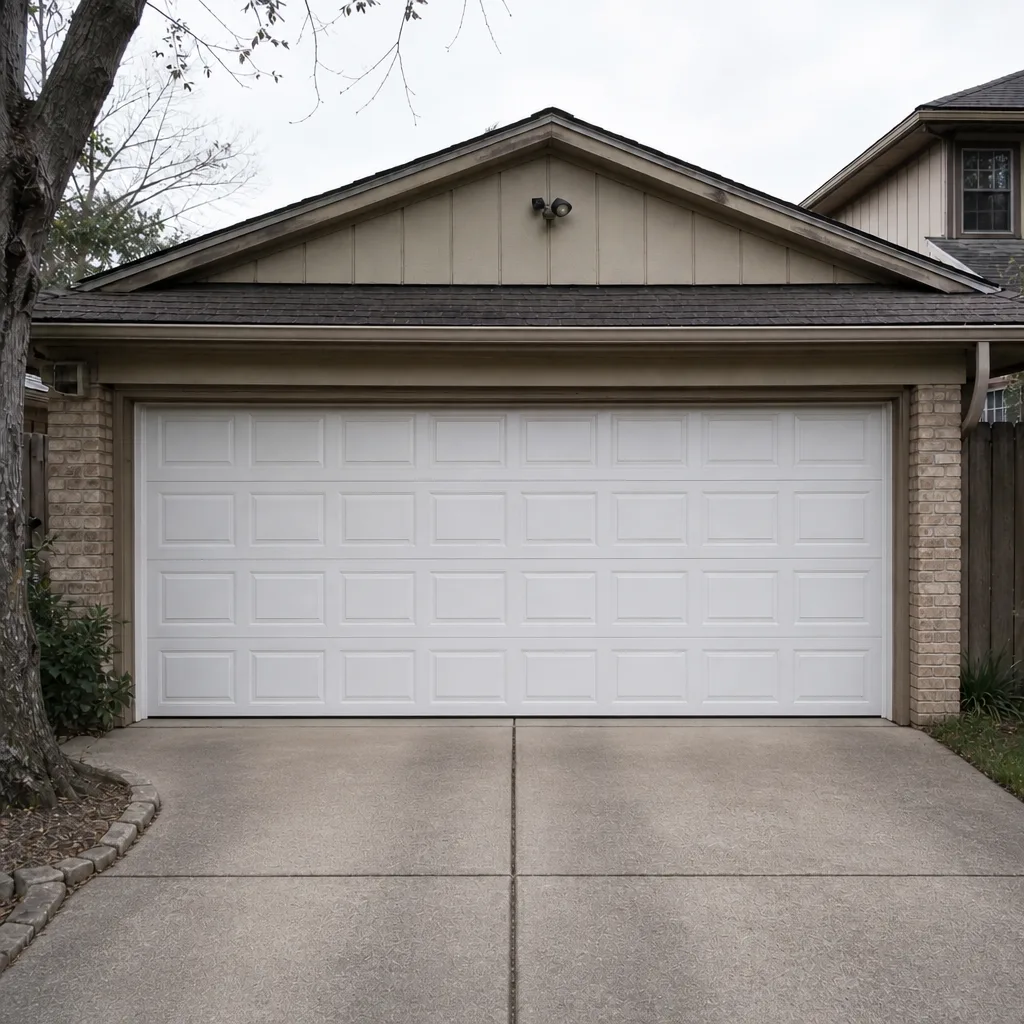 After
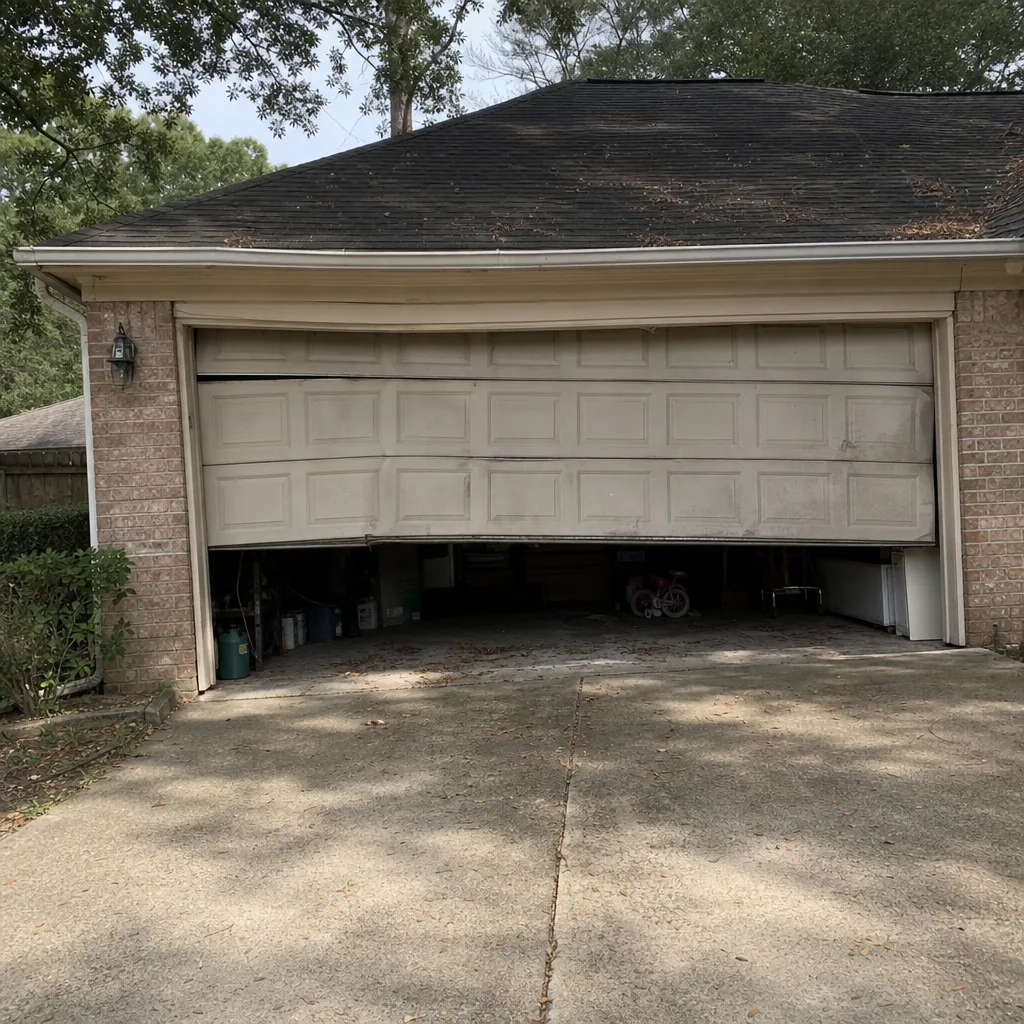 Before
 After
Frequently Asked Questions
A popping or banging sound at the start or end of the door’s travel is the most common sign of spring stress, usually audible for two to three weeks before the spring breaks. If you hear it, stop using the door and book a spring inspection – torsion springs are under extreme tension and this is never a DIY repair. Call (888) 853-9961 for a free estimate.
No – scraping usually points to a cable out of its proper channel, and a cable that fails under load can drop the door. Stop using the door, keep people and pets clear, and call a technician. Scraping from a cable should be treated as a same-day call; scraping that turns out to be a dry roller or a track rub is usually a routine repair, which a technician can tell on arrival.
If the opener runs but the door doesn’t move, the drive gear is stripping or the trolley has disconnected – an opener problem. If the door moves but feels heavy or uneven by hand, the problem is in the springs, cables, or track. A simple test: disconnect the opener and lift the door by hand. A balanced door should hold its position halfway up. If it drops or rises on its own, the springs are the issue. For opener symptoms like a delayed reversal or a motor that runs after the door stops, book garage door opener repair.
Rust striping at panel seams is a warning sign in Kingwood because humidity speeds up moisture-driven rust, and seals that harden let more damp air into the joint. Early striping is usually cosmetic and can be cleaned and re-sealed. Rust that’s weeping through to the outside face of the panel means the panel is failing, and that’s a decision point between repair and replacement. A free estimate answers that quickly – call (888) 853-9961.
Twice a year, spring and fall, plus after any event that sounds or feels wrong. Humidity-driven wear on seals and panel seams builds faster here than in dry climates, and springs wearing through a year of summer cycles benefit from a check. A twice-yearly walk-around catches most problems before they become failures. For anything you can’t identify, book a garage door repair inspection – the estimate is free.
Replace when the door is failing in more places than one: rust weeping through panel seams plus a failing seal plus worn hardware usually means replacement is the better value. Multiple panel repairs also add up quickly. If the door is structurally sound and the issue is springs, cables, or the opener, repair is almost always the answer. A full replacement starts with a free measure and a written price – no rush and no obligation. Book a garage door installation visit to get that written quote.
The Bottom Line
Warning signs are the cheapest repair quotes you’ll ever get. Grinding points to rollers or track. Popping points to springs. Scraping points to cables. Rust striping, a hard seal, and frayed wire are the visual cues that Kingwood’s humidity makes especially worth checking. Use the manual slow-on-one-side test to narrow an uneven door down to springs, cables, or track, and use the triage matrix to decide whether to watch, stop, or call today. Anything touching springs or cables is a stop-and-call. Everything else is a book-it-this-week. The fifteen-minute seasonal walk-around catches more than any emergency repair. When in doubt, call and describe what you’re hearing – we’ll give you a straight answer and a free estimate.
Ready for a free estimate on any garage door issue in Kingwood? Call Kingwood Garage Door Repair at (888) 853-9961. Our technicians have up to 9 years of experience, work on the brands your door was built with, and quote every job before the work starts. Free estimates, upfront pricing, and a satisfaction guarantee on every repair and install.
Written by the team at Kingwood Garage Door Repair.