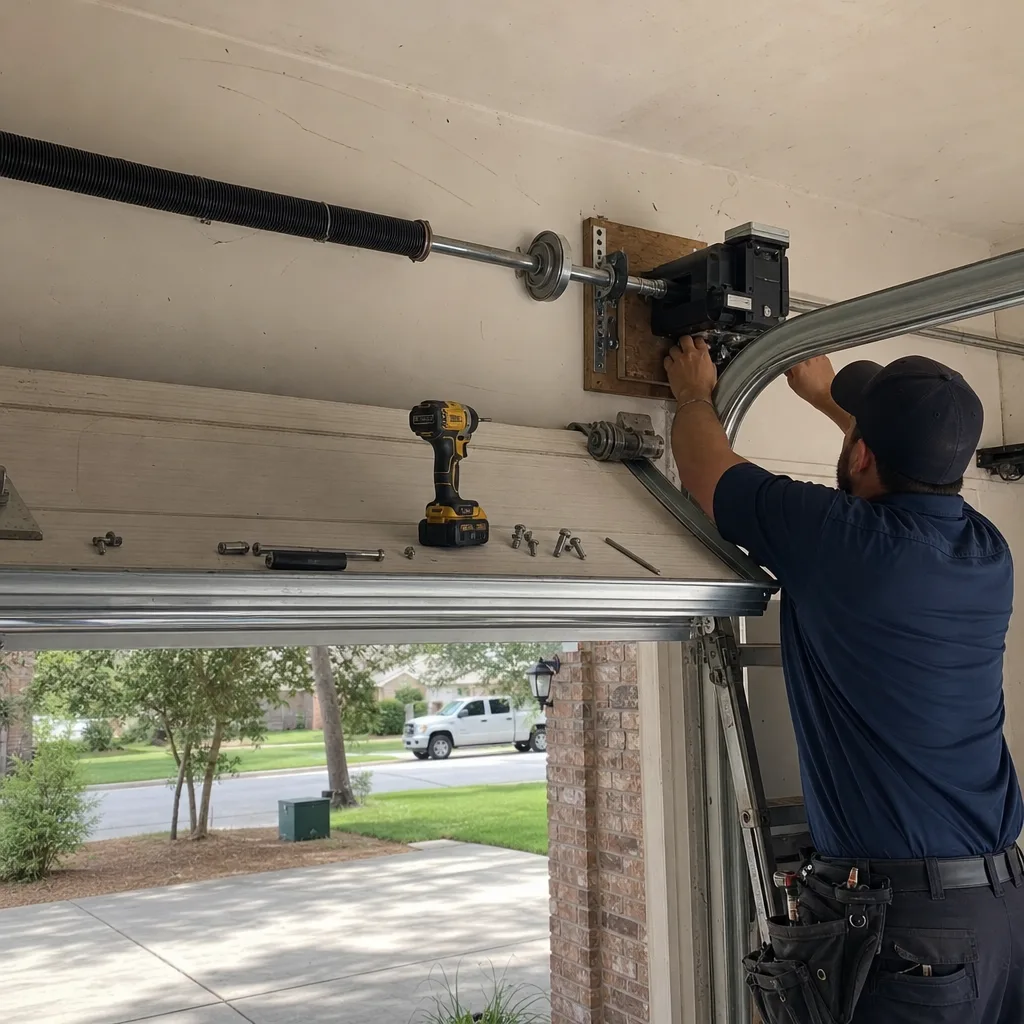
Last updated November 21, 2026
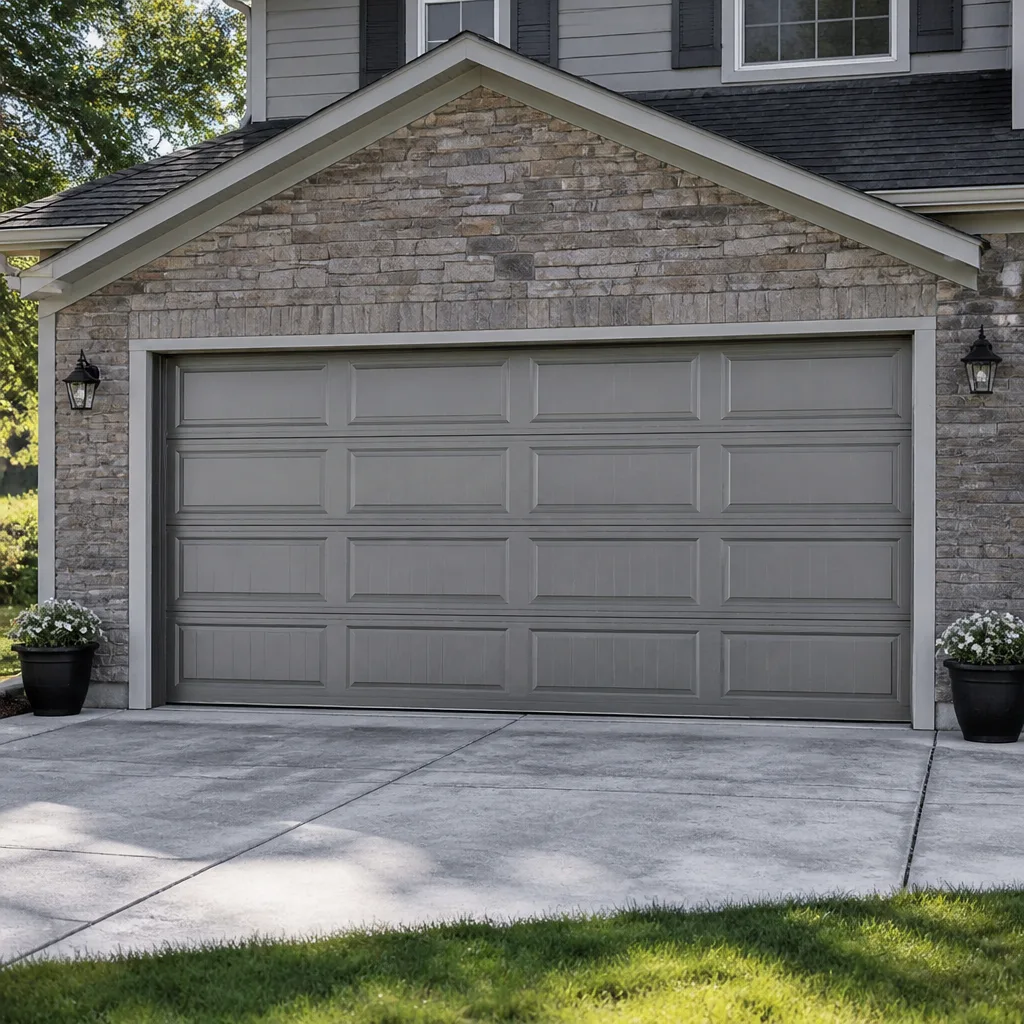 Raised-panel steel
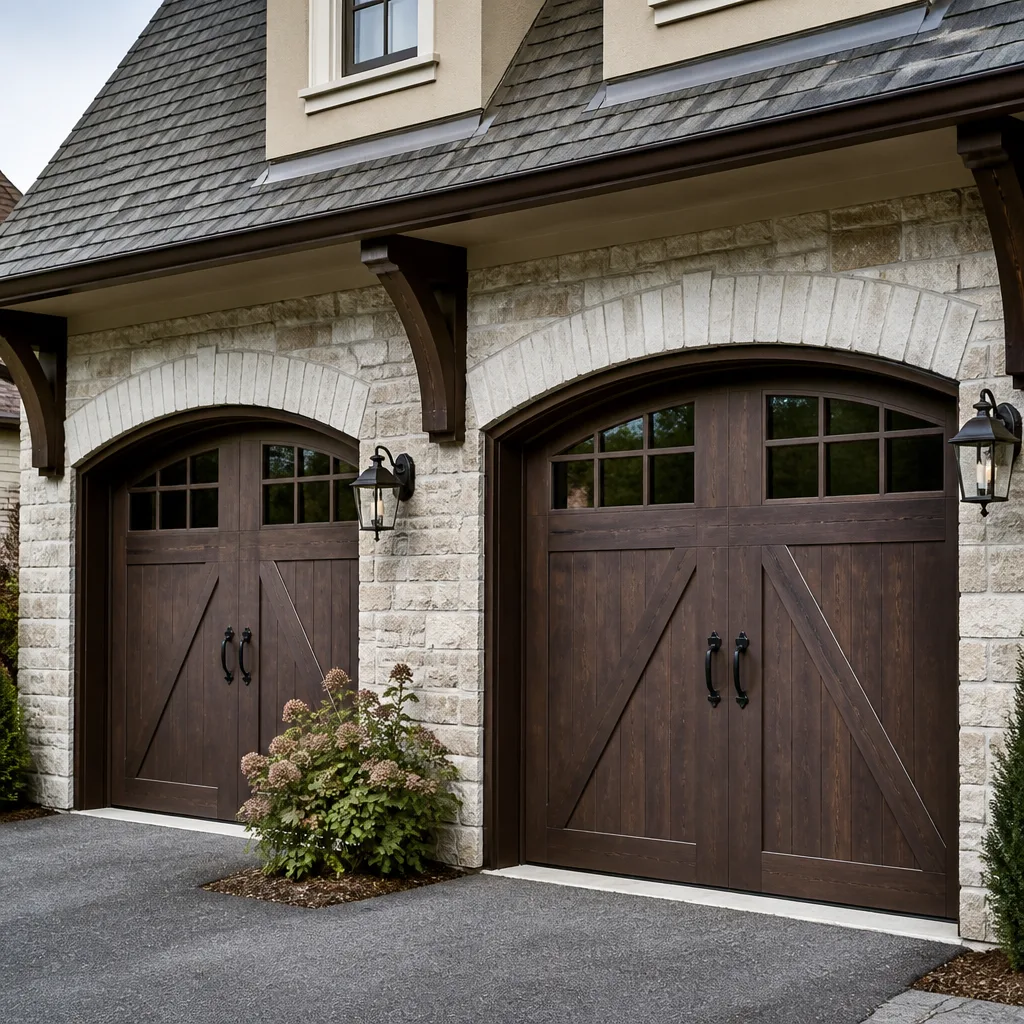 Carriage house
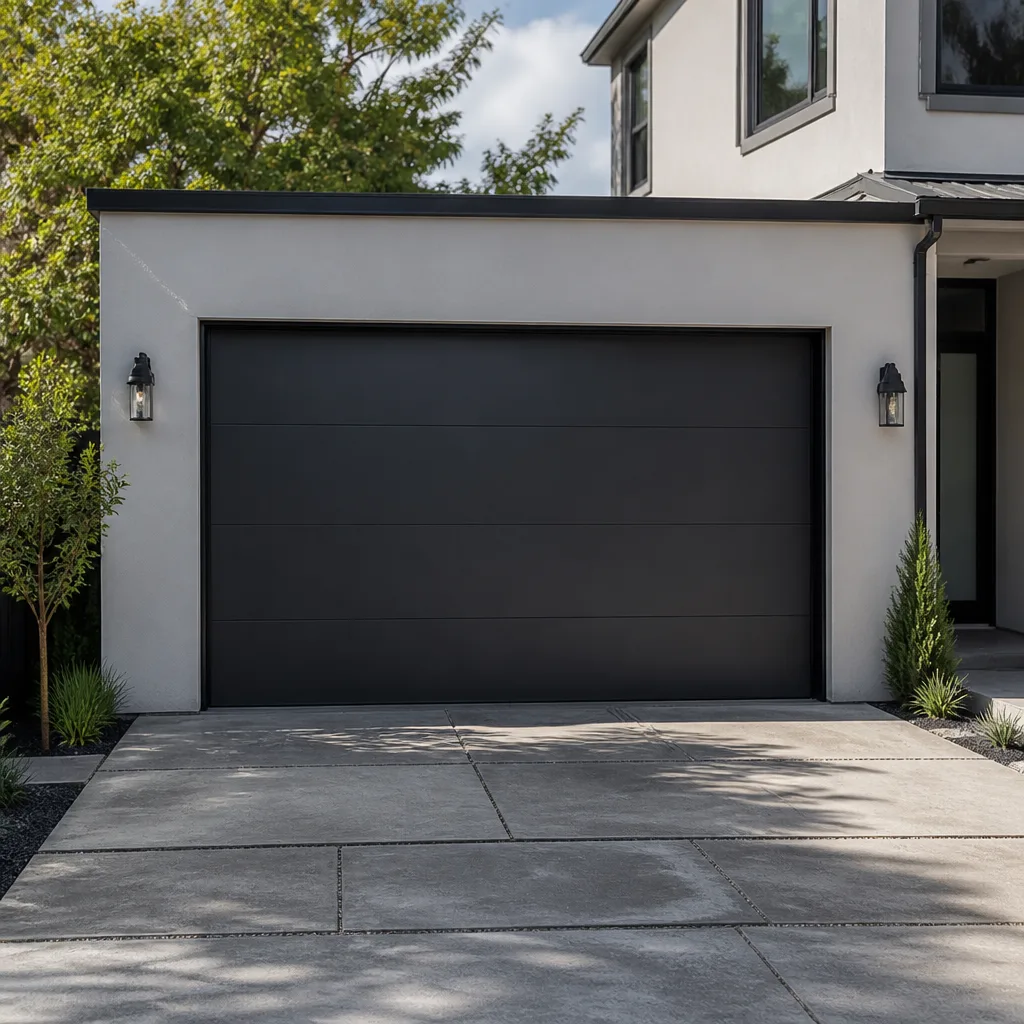 Modern flush
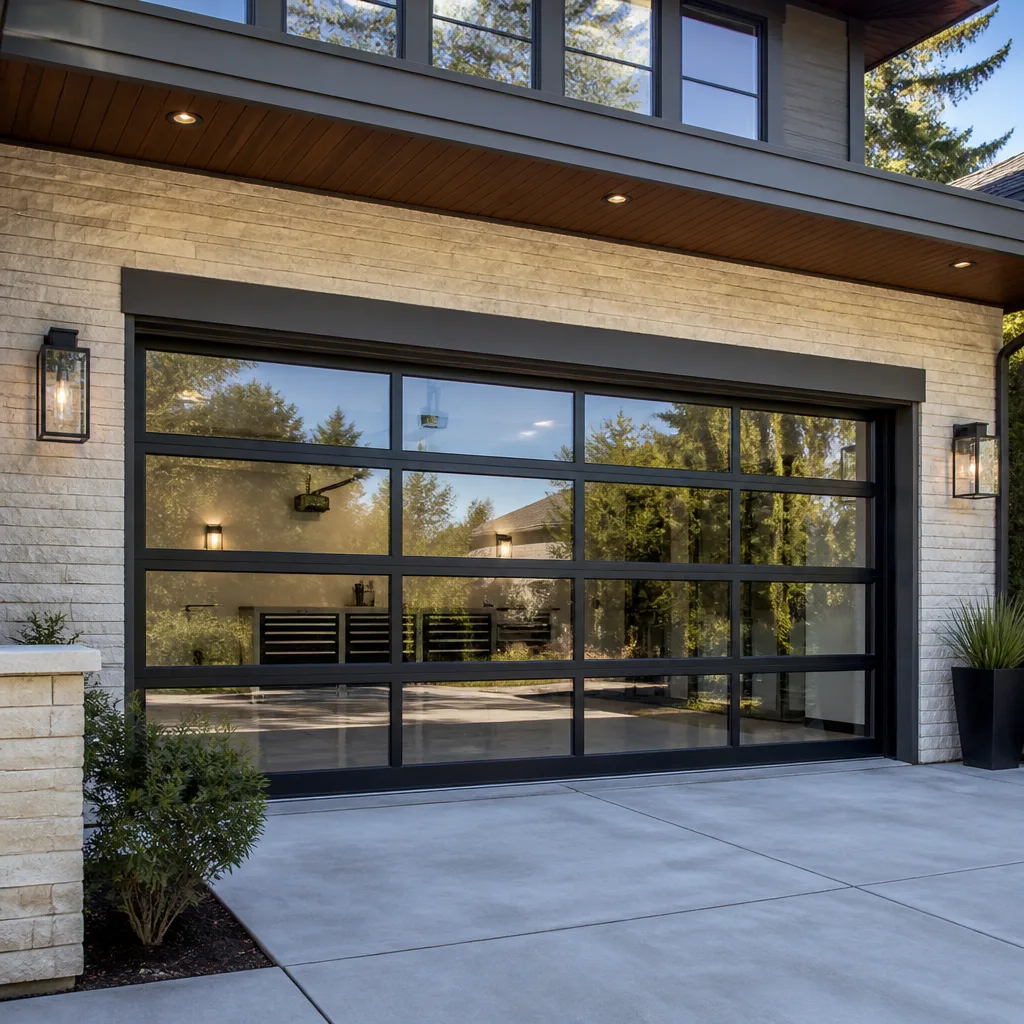 Full-view glass
 LiftMaster openers
 Chamberlain openers
Full 25-point door and opener safety check with every visit - springs, cables, rollers, tracks, and your LiftMaster or Chamberlain opener included
You get a price before we start. It does not change when the pro arrives.
Get your free estimateGarage Door Permits, Codes & Inspections in Kingwood, TX: What You Need to Know
A garage door replacement feels like a simple swap: pull the old door out, put the new one in, done by afternoon. That’s how most Kingwood homeowners picture it. Then the house goes on the market, the inspection report flags a structural opening that was modified without a municipal record, or an insurance adjuster asks for documentation showing the door met the wind load standards for this part of Harris County and there’s nothing to hand over. The door itself isn’t the problem. The paper trail is. This guide walks through when a garage door project in Kingwood actually triggers a permit, which Texas wind load requirements apply to the Houston area, how HOA architectural review in Kingwood’s subdivisions stacks on top of county rules, what an inspector looks at, and what to keep on file so a future sale or claim doesn’t turn into a headache.
Quick Answer
In Kingwood and the rest of Harris County, replacing a garage door in the existing opening with a like-for-like door is generally treated as maintenance and doesn’t require a permit, while any change to the structural opening, the header, or the framing usually does. The bigger issue is wind load: the Houston area falls under Texas wind-borne debris requirements, and your replacement door needs a rated design pressure that a code official or insurer can verify. Always confirm the current rule with the City of Houston’s permit office or Harris County before work starts, because interpretations vary by project scope.
Styles & brands we work with
- Raised-panel steel
- Carriage house
- Modern flush
- Full-view glass
- LiftMaster openers
- Chamberlain openers
Table of Contents
- When does a garage door project need a permit in Kingwood?
- Texas wind load requirements and which door ratings satisfy them
- How HOA architectural review intersects with county permits in Kingwood
- What actually happens at a garage door inspection
- Resale and insurance consequences of skipping permits
- Repair, replacement, or new installation: the three different rulebooks
- Common mistakes to avoid
- When to call a professional
When does a garage door project need a permit in Kingwood?
The permit threshold comes down to one question: are you changing the opening, or just filling it? Swapping a damaged door for a new door of the same size in the same tracks is a maintenance item in most jurisdictions, including here. Cutting a wider opening, raising the header, converting a garage door to a wall or window, or converting a garage to living space is construction, and construction gets reviewed.
Here’s the general breakdown we walk Kingwood homeowners through:
- Maintenance-exempt (no permit expected): replacing a door panel or the full door in the existing opening, replacing springs, cables, rollers, or hinges, replacing an opener, and replacing tracks with same-dimension tracks.
- Permit likely required: enlarging or reducing the opening, replacing or modifying the header, changing the structural framing around the opening, adding a new opening to a wall that didn’t have one, or converting the garage to habitable space.
- Grey area: replacing a door with a significantly heavier model. The opening usually doesn’t change, but the load on the header and the spring system does, and that’s worth a phone call to the permit office before you order.
The City of Houston and Harris County don’t always use identical language for garage door work, and Kingwood’s position within the city’s jurisdiction matters. Rather than guess based on what a neighbor did, call the permit office with the specific scope, the door model, and the opening dimensions in hand. That’s a five-minute call that prevents a much longer conversation with a buyer’s inspector later.
When in doubt, the safe assumption is that anything structural needs a permit. It’s easier to pull one than to explain its absence during a sale. If you’re planning a full change rather than an in-kind swap, our garage door installation service starts with a measure on site, so the scope is clear before anyone talks permits.
Texas wind load requirements and which door ratings satisfy them
This is the part Kingwood homeowners most often skip, and it’s the part that matters most. The Houston area sits in a high-wind region, and the building code that applies to garage doors here includes wind load design requirements. Your replacement door needs to be rated for the design pressure at your specific location. It’s not a generic “wind-rated” label; it’s a tested design pressure rating tied to the door model, size, and installation.
What that means in practice:
- Ask for the rated design pressure before you buy. Every manufacturer publishes wind load ratings by model and size. Any door sold as compliant should come with that documentation. Clopay and Amarr both publish ratings across their wind load lines, and a supplier who can’t produce the rating sheet for your exact size is a supplier to walk away from.
- Understand what the rating reflects. Positive and negative design pressure ratings are based on tested assemblies, including the reinforcement package and hardware. A door that’s rated only with a specific strut configuration isn’t rated if the installer leaves the struts off.
- Match the door to the opening, not just the model. Wider doors deflect more. A rating that holds at one size doesn’t automatically hold at a larger opening.
- Keep the rating documentation with your closing papers. This is the single most useful piece of paper in an insurance claim or a resale inspection for a garage door.
Insurers in this market underwrite wind perils closely. When an adjuster asks whether the door that failed was code-compliant for its installation date, “the installer said it was fine” doesn’t resolve the question. A manufacturer’s rating sheet showing the model, size, and reinforcement package does.
This is also why we treat the door and the hardware as one system. Our technicians have up to 9 years of experience across the brands most Kingwood homes already have installed, including Genie and Wayne Dalton openers and Clopay and Amarr doors, so we can tell you what rating your replacement actually needs rather than handing over a brochure.
How HOA architectural review intersects with county permits in Kingwood
Kingwood’s subdivisions come with architectural review committees, and in our experience the HOA process and the county permit process are two different gates that homeowners routinely confuse. Passing one does not mean you’ve cleared the other. In fact, they sometimes pull in opposite directions.
Here’s how the intersection usually plays out:
- HOA review governs appearance. Door style, panel design, color, window inserts, and sometimes even the finish. A committee may require a certain look to keep street consistency, and it may reject a door that fully satisfies the building code.
- Permits and code govern construction and wind load. The city or county cares about structural integrity and design pressure, not whether your panels are raised or recessed.
- The conflict case: an HOA approves a door style that isn’t available in a rated configuration for your opening size, or a rated door you’ve selected doesn’t match the approved style. Usually there’s a model in that manufacturer’s line that satisfies both, but you have to check before ordering, not after.
- Approval timing. Architectural committee meetings run on their own schedule. Start the HOA application before you schedule installation, or you’ll be storing a door in your garage while you wait.
The practical order of operations for most Kingwood replacement projects looks like this:
- Confirm the scope with a measure on site and establish whether the opening is changing.
- If the opening is changing, call the City of Houston permit office or Harris County to establish what’s required.
- Select a door that meets the wind load rating for your location and your opening size.
- Submit the HOA architectural application with the spec sheet, elevation, and color sample.
- Order the door only after both the permit question and the HOA approval are settled.
- Schedule installation and keep every document in one folder.
This sequencing is the reason we ask about HOA requirements early in any replacement conversation. It saves a lot of frustration later, and it’s the kind of thing a generalist won’t think to raise. A specialist working in Kingwood regularly knows to ask.
What actually happens at a garage door inspection
A garage door inspection is a documentation exercise as much as a physical one. The inspector is confirming that what was installed matches what was permitted and that the installation meets code. If you pull a permit for structural work, an inspection is part of the process. If you don’t pull one, you may still face a version of this at resale when a buyer’s inspector flags something.
Here’s what gets checked, generally speaking:
- The opening and framing. Dimensions against the permitted plan, header condition, and that no structural member has been cut or altered beyond what was approved.
- Attachment and anchorage. How the tracks and the door assembly are fastened to the framing, and whether the fasteners and spacing match the manufacturer’s installation instructions and the approved plans.
- Wind load documentation. The rating sheet for the installed door, matching the model and size actually installed. This is the paper most homeowners are missing.
- Safety features. The opener’s reversing function, photo-eye alignment, and the manual release. These are life-safety items and inspectors check them.
- Balance and operation. Whether the door opens and closes smoothly and stays where it’s put, which indicates correct spring tension and hardware.
What you should keep after any garage door project in Kingwood:
- The permit number and final inspection sign-off, if a permit was required.
- The manufacturer’s wind load rating sheet for the exact model and size installed.
- The installation instructions and any warranty documents.
- The written estimate showing the scope of work performed.
- The HOA architectural approval letter, if applicable.
That folder is worth more than it looks. Sellers who can hand a buyer a complete package move through inspection contingencies faster, and homeowners filing a wind claim have a much cleaner conversation with an adjuster.
Resale and insurance consequences of skipping permits
The consequences of an unpermitted structural modification to a garage door opening are not hypothetical. They show up at two moments that matter financially: a sale and a claim.
At resale. A buyer’s inspector sees a wider opening, a modified header, or a converted garage, and asks for the permit. If there isn’t one, the buyer has three options: walk, negotiate a credit for permitting the work retroactively, or demand it be corrected. In a Kingwood market where homes move steadily, a missing permit on structural work is a negotiating lever the seller didn’t expect to hand over. Retroactive permitting after the fact means opening walls to inspect what was done, which is a far larger scope than a straightforward permitted job.
At claim time. This is the sharper one. If a wind event damages a garage door and the adjuster determines the door wasn’t rated for the design pressure or wasn’t installed according to the manufacturer’s instructions, the claim can turn into a dispute about whether the loss was the result of non-compliant construction. Even when coverage is ultimately honored, the process drags. A rated door with a rating sheet on file doesn’t create that question.
At refinance or appraisal. Lenders occasionally ask for permit history, particularly on a garage conversion. An unpermitted conversion can be excluded from the appraised living area, which affects the loan-to-value math.
None of this is meant to alarm you into permitting a simple spring replacement. It’s meant to make the distinction clear: maintenance is maintenance, and structural change is construction. Treating the second like the first is where the trouble lives. If you’re unsure which category a project falls into in your Kingwood subdivision, our garage door repair team can look at the scope and tell you plainly whether you’re looking at maintenance or construction.
Repair, replacement, or new installation: the three different rulebooks
Garage door work runs on three separate sets of rules depending on what’s happening, and mixing them up is where confusion starts.
Repair covers springs, cables, rollers, hinges, tracks, and openers. This is maintenance by any reasonable definition; no permit applies. The chief concern here isn’t paperwork, it’s safety. Springs are under extreme tension, and the forces involved can cause serious injury in a fraction of a second. Cables and the torsion system are equally unforgiving. This isn’t a repair we’d ever suggest a homeowner attempt, and any honest garage door company will tell you the same. A trained technician with the right winding bars and the right spring for the door’s weight does this safely and quickly. Our garage door opener repair covers the opener side of that same category, whether it’s a legacy Craftsman unit or a newer LiftMaster or Chamberlain platform with Wi-Fi connectivity.
Replacement means a new door in the existing opening. No structural change, so in most cases no permit, but wind load rating and HOA approval still apply. This is where most Kingwood projects land. A door gets damaged, the insurance company is involved, and the homeowner needs a replacement that satisfies the code requirement and the neighborhood committee. The rating documentation is the piece that ties it together.
New installation means a new opening, an enlarged opening, a converted garage, or a completely new structure. This is construction. Get the permit, get the engineering if the header changes, get the HOA approval, and don’t start until all three are in hand. It’s also the point where a specialist who handles the whole lifecycle is useful, because the job often evolves. A door replacement turns out to need new tracks and springs. A spring repair reveals a worn opener. Working with one specialist across that arc keeps you from scheduling a second company.
- Repair: no permit, safety-critical, same-day work is often possible.
- Replacement: no permit for like-for-like, wind load rating and HOA approval required, scheduled after measure and order.
- New installation: permit, engineering, and HOA approval required, scheduled after all three.
Common Mistakes to Avoid
- Assuming “no permit” means “nothing matters.” A like-for-like replacement may not need a permit, but the wind load rating still applies and the HOA still reviews it. Skipping both because no permit was needed is the most common error we see in Kingwood.
- Ordering the door before checking HOA approval. Architectural committees run on their own meeting schedule, and an approved-looking door in the wrong finish can stall the whole project. Submit the application first.
- Failing to keep the wind load rating sheet. It’s the one document that resolves questions at claim time and inspection time. Without it, you’re relying on someone else’s memory of what was installed.
- Treating a header modification as a “door job.” The moment the framing changes, you’re in permit territory. Cutting the header and letting a generalist handle it without a permit is how sellers end up negotiating credits they didn’t budget for.
- Confusing City of Houston and Harris County rules without checking. The two jurisdictions don’t always use identical language for garage door work. Call the office with the specific scope instead of assuming the answer transfers.
- Letting an unpermitted garage conversion ride through the appraisal. A conversion excluded from the appraised living area affects financing. Resolve the permit before a lender raises the question.
- Assuming a heavy replacement door needs no more than a new opener. A heavier door strains the springs that were sized for the original. The spring system has to be matched to the new door weight, and that’s a professional measurement, not an estimate.
See the difference
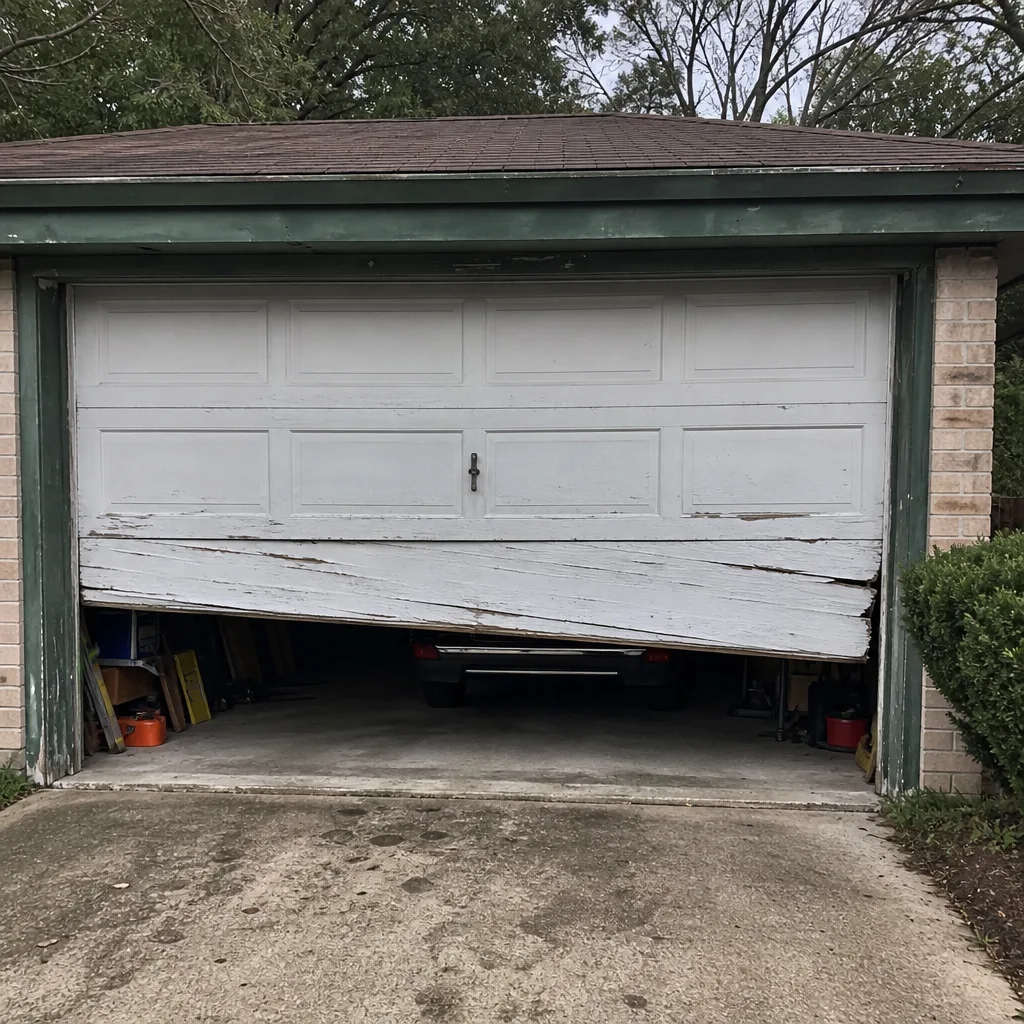 Before
 After
 Before
 After
 Before
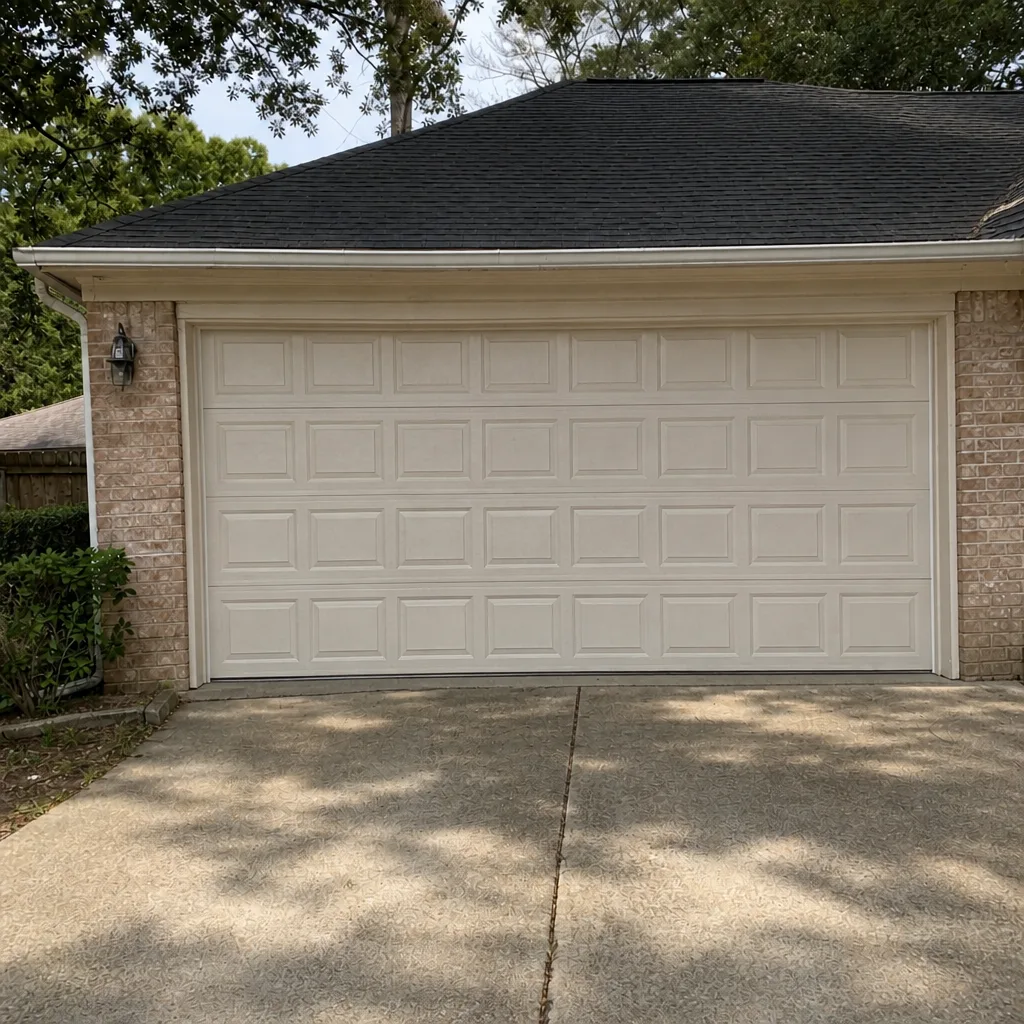 After
When to Call a Professional
Some questions need a look at the door, not a phone conversation. Call a professional when you’re planning a replacement and need to know whether the new door requires a different spring system; when you’re not sure whether your scope crosses the permit threshold and want an on-site assessment rather than a guess; when the opener stops reversing or the photo-eyes won’t align, which is a safety issue; when a spring breaks and the door is stuck in a half-open position; and when a damage claim pits the insurance adjuster against a door that may not have been properly rated. That last scenario is more common than you’d think, and it benefits from a specialist who knows the wind load documentation requirements.
Kingwood Garage Door Repair offers free estimates in Kingwood. Call (888) 853-9961 and we’ll walk through the scope with you, from the permit question through the door selection and the install. Our technicians have up to 9 years of experience across the brands Kingwood homes already have installed, and they’ll tell you plainly what the project involves before anything is ordered.
Frequently Asked Questions
Generally, no. Replacing a door in the existing opening with a like-for-like door is treated as maintenance in most jurisdictions, including Harris County. A permit most often applies when the opening, header, or framing changes, or when the garage is converted. Confirm with the City of Houston permit office or Harris County for your specific project, since interpretations depend on scope. Call (888) 853-9961 for a free estimate and we’ll help you sort out which category you’re in.
The rating depends on your specific location within the Houston area and your opening size, and it’s expressed as a design pressure rating published by the manufacturer for that model and size. Ask for the rating sheet before you buy, and keep it with your closing papers. A supplier who can’t produce the rating for your exact size is one to avoid. Our team can help you identify the right rated door for your opening; estimates are free at (888) 853-9961.
In most Kingwood subdivisions, yes. HOA architectural review committees review door style, panel design, color, and finish to keep consistency across the neighborhood. This is separate from any permit requirement, and the two can pull in different directions if the approved style isn’t available in a rated configuration for your opening. Submit the architectural application before ordering the door. Call (888) 853-9961 if you need the spec sheet for the application.
Keep the permit number and final inspection sign-off if a permit was required, the manufacturer’s wind load rating sheet for the exact model and size installed, the installation instructions, the warranty documents, the written estimate showing the scope, and the HOA approval letter. That folder resolves questions at resale and during an insurance claim. If you’re unsure what to keep, call (888) 853-9961 and we’ll walk through it.
It can, particularly in a wind claim. If an adjuster determines the door wasn’t rated for the design pressure or wasn’t installed according to the manufacturer’s instructions, the claim can become a dispute over whether the loss resulted from non-compliant construction. Even when coverage is honored, the process takes longer. Having the rating sheet on file prevents the question. Call (888) 853-9961 for a free estimate and a documentation check.
No. We measure on site, quote the work in writing, and agree the price before any work starts. The written quote is the price. If the scope changes during the assessment, we tell you before proceeding. Call (888) 853-9961 for a free estimate.
The Bottom Line
Garage door rules in Kingwood split cleanly once you know where the line sits. Repair and like-for-like replacement are maintenance; structural change to the opening is construction and needs a permit. Wind load rating and HOA approval apply to replacement regardless of the permit question, and both produce documentation worth keeping in one folder for the life of the door. That folder is what carries you through a resale inspection, a refinance, or a wind claim without a fight. Kingwood Garage Door Repair works across the full range, from a broken spring to a brand-new door, and we’re glad to help you figure out which category your project falls in. Call (888) 853-9961 for a free estimate, or explore our Kingwood Garage Door Repair services to see the full scope of what we handle.
Written by the team at Kingwood Garage Door Repair.